5 Powerful Lessons about Love from the Prodigal Son

The lectionary reading for this week is from Luke 15: the story of the prodigal son. And today, I want to highlight five powerful lessons about love that we can learn from Jesus’ teachings. 

If you love, sometimes you have to let go

As parents and friends, we’ve all had people that we want to protect in our lives. But sometimes, as the father in the parable, we realise that we have to let our loved ones go out and learn lessons for themselves. 

So, we see, at the beginning of the parable, that the father simply allows his youngest son to leave.

There was a man who had two sons. 

And the younger of them said to his father, ‘Father, give me the share of property that is coming to me.’ And he divided his property between them. 

Not many days later, the younger son gathered all he had and took a journey into a far country, and there he squandered his property in reckless living.

I can’t imagine this father’s pain when his son treated him as dead, asking for his share of the inheritance ahead of time. But, rather than teaching him a lesson, he loves him enough to let him go and experience the world on his own.

Unlike now, where we have internet, email, WhatsApp and all types of communication and travel that can reduce the distance between us, I’m sure that the father didn’t hear from his son once he left and moved away.

He was basically abandoning his family and all their teachings.

And still, the father let him go.  All his hard work and affection, just squandered by youth’s mad pursuit of the present moment. 

True love is not about control and it’s not always about protection. Sometimes, it’s allowing someone to grow up and learn on their own.  As parents and friends, we have to learn to love fully, even letting go.

Even with God’s love, we see freedom of choice. We choose whether or not to practice the Divine’s presence in our life each day. What relationship do you want to have with Spirit?

prodigal son, love, unconditional love, forgiveness, freedom of choice, relationships

Choose your friends wisely

The second life lesson in love that we learn from the Prodigal Son is to choose your friends wisely. 

We’ve all had our share of fair weather friends. The Prodigal Son shows us a prime example of this.

When he’s rich and there’s money for parties and entertainment, he’s surrounded by people that want to be his friends. He’s living the high life.

But after he squandered all his money and the famine hits, he gets a rude wake up call.

Where are those friends now?

He’s all alone in a foreign land, with no one to help or guide him.

He sinks as low as to become a servant for another, having to feed slop to pigs on someone’s farm. He’s so low that even the pigs eat better than he does. 

But, he has fallen to this low, because of the friends that he chose in this new land and how they influenced his choices. 

Jim Rohn said that you are the average of the 5 people you spend the most time with. 

Show me your friends and I’ll show you your future. 

We all need connection and belonging in our lives. This is one of the reason that we find so many gangs flourishing in low income ghettos. They give youth a sense of belonging and safety. No matter how dangerous it might be, they meet their needs to some extent. 

But this connection and belonging also influences our habits and choices.  Do the people that we choose to build relationships with lead us to better ourselves and strive to grow? Emotionally, spiritually, financially and even physically.

If your friends are all into health and fitness, it’s likely that they are inviting you to go for walks, or go to the gym, hiking, cycling or different types of classes. Where they choose to go to eat and what they drink will be influenced by this lifestyle choice. 

And as you spend time with them, you will find it easy to choose healthy activities and focusing on your physical wellbeing. 

Of course, the prodigal son’s friends also influenced his choices – to spend money frivously with no thoughts to the future.  And it destroyed him. 

Throughout the Bible, we find all manner of advice about how to choose our friends and those we regularly spend time with. What will you do with this advice?
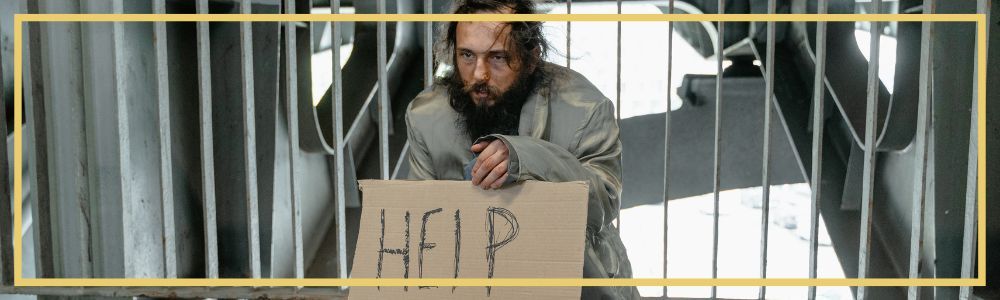
prodigal son, love, unconditional love, forgiveness, freedom of choice, relationships

Knowing when to admit “I was wrong”

Our third lesson in love from the Prodigal Son, comes when he wakes up to his situation and reality, and chooses to admit that he was wrong. 

“When he came to his senses, he said, ‘How many of my father’s hired servants have food to spare, and here I am starving to death! I will set out and go back to my father and say to him: Father, I have sinned against heaven and against you. I am no longer worthy to be called your son; make me like one of your hired servants.’ So he got up and went to his father.

All of us make mistakes. But what really matters in relationships is how we deal with those mistakes and how we choose to relate to others. 

Can we humble ourselves and ask for forgiveness from those who love us? Are we willing to rebuild a relationship based on forgiveness? 

Today’s lesson from the Prodigal Son is not just about a father’s love. It’s also about humility and admitting our mistakes.

The Prodigal Son no longer takes his father’s love and care for granted. Instead, he resolves to return with humility and ask for forgiveness. 

So, today, let’s consider those relationships where we are taking others – especially their love and care for us – for granted. Do we need to ask for forgiveness in humility and rebuild our relationships? 

Unconditional love and rejoicing

Perhaps the best lesson we all know from the Prodigal Son is the father’s response upon the return of his wayward son. 

“But while he was still a long way off, his father saw him and was filled with compassion for him; he ran to his son, threw his arms around him and kissed him.

“The son said to him, ‘Father, I have sinned against heaven and against you. I am no longer worthy to be called your son.’

“But the father said to his servants, ‘Quick! Bring the best robe and put it on him. Put a ring on his finger and sandals on his feet. Bring the fattened calf and kill it. Let’s have a feast and celebrate. For this son of mine was dead and is alive again; he was lost and is found.’ So they began to celebrate.

In previous parables, Jesus talked about the Shepherd who leaves the 99 to go out to search for that one lost sheep. And here, we see the father rejoicing over the return of that one wayward son. 

We first see that when the father sees him, he is filled with compassion. He recognises that the broken young man returning home is his son. And while the son recognises that he is in the wrong and no longer worthy of being called his son, the father responds with returning to him his status of being a son. 

He clothes him and put shoes back on his feet. He begins a feast to welcome him home. 

I find it fascinating that this father didn’t say “I told you so¨. 

There’s no lecture and no questioning. He accepts the apology fully and embraces his son back into the family. 

There’s probably wisdom in this father’s heart and eyes: he can see that life has already provided all the lessons and there’s no need to rub salt into his wounds. What the son needs now is love and acceptance. 

But how many of us can show this level of wisdom in our love and relationships? Do we know when to lecture and teach versus when to simply show love.  It’s not about coddling and pampering. But rather, it’s about know when to speak and what to speak.

So, as we learn from the Prodigal Son, there’s a time in relationships to accept someone’s humble apology and embrace them without teaching them anything further.

Do we have the wisdom to know the difference?

prodigal son, love, unconditional love, forgiveness, freedom of choice, relationships

Love isn’t just about following the rules

Our final lesson in love comes from the reaction of the older son to his brother’s return and his conversation with his father:

“Meanwhile, the older son was in the field. When he came near the house, he heard music and dancing. So he called one of the servants and asked him what was going on. ‘Your brother has come,’ he replied, ‘and your father has killed the fattened calf because he has him back safe and sound.’

“The older brother became angry and refused to go in. So his father went out and pleaded with him. But he answered his father, ‘Look! All these years I’ve been slaving for you and never disobeyed your orders. Yet you never gave me even a young goat so I could celebrate with my friends. But when this son of yours who has squandered your property with prostitutes comes home, you kill the fattened calf for him!’

“‘My son,’ the father said, ‘you are always with me, and everything I have is yours. But we had to celebrate and be glad, because this brother of yours was dead and is alive again; he was lost and is found.’”

I can almost hear resentment in the older brother’s voice towards his father. It almost seems that there are unspoken feelings in his heart towards his father – the struggle of always being “the responsible one”. 

But relationships and love aren’t just about following the rules and never disobeying. It’s not just about external compliance, but also the state of our heart. 

Take a moment and consider whether you are holding any resentment in your heart towards others because you feel that the relationship is unfair. You’re doing everything right, but are you complaining that you don’t receive “enough love” in return? 

Is this really love that you are feeling? Or is it just responsibility? Love isn’t a transaction. 

I know, for myself, the biggest resentments I have ever felt in my life are not actually towards others, but towards God. The times I have recriminated with “But this isn’t fair!” have typically been when I’m complaining about life to the Divine. 

Today’s a great day to consider what bitterness or resentment you might be holding in your heart in your relationships. Where do you feel that you’ve been doing it all right and you’re not receiving back the love and attention that you deserve? And what will you do with these feelings now that you’ve identified them? 
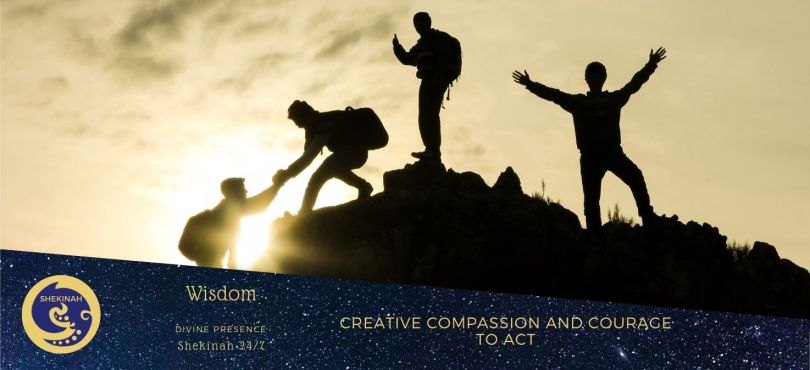
What other lessons have you taken away from this parable of the Prodigal Son? 

wisdom, creative compassion, courage to act, fear of the Lord, wise action, taking action, generative wisdom, being wise, transformed, renewing of your mind, heart of stone, heart of flesh, vulnerable, open to change, Divine Purpose, finding your divine purpose, courage to act, wisdom must be embodied, pragmatic action, faith, works and deeds, love your neighbour, awe, Divine Love, divine presence, prayer, meditation, quiet reflection, changing our responses, forgiveness, learning to love and accept myself, a peace that passes understanding, source of abundance, health, wellbeing, diet, exercise, lifestyle choices, responsible

Ten years searching for Wisdom: creative compassion and courage to act

In one of the very first posts I ever wrote for this blog, I mentioned the 10-year challenge of “gaining wisdom”. And this year, as I finished re-reading for the third time “mBraining: using your multiple brains to do cool stuff“, I was reminded that wisdom is both material (on the earthly plane) as well as having a spiritual element to it.

Wisdom comes when we apply creative compassion to creative action. In fact:

Generative wisdom is far more than just having wise insights from your life experiences.

Soosalu & Oka, “mBraining”

It is not an end state of being wise, but rather an ongoing process, one that continually transforms who you are.

I cannot stress this enough: wisdom must be embodied in pragmatic action. The same way that we show our faith by our works and deeds, we embody our wisdom in action and the decisions that we make each and every day.

All knowing is doing, inspired action, take action, compassionate courage, smart courage, deep thought, thought leads to action
All knowing is doing. Dr. Humberto Maturana

Most of us that were brought up in churches can easily recite that to love God is to love our neighbour and to love our brother, no matter who they might be. We are likewise challenged to bless those who curse us.

It is not enough to be able to recite the Bible verse that says this, but rather to actually do it – in the midst of the emotional chaos and turmoil of conflict and upheaval.

It’s easy to be at peace and in harmony with God and others when you are sitting quietly, meditating and in prayer. But true wisdom is being able to hold that same inner peace in the midst of the unrest of every day triggers and people who would typically anger us or make us feel fearful.

I’ll show you my faith by my works is not simply about doing good deeds: but rather it is living that life of faith and Divine Wisdom in all moments of challenge.

The process of acquiring true wisdom is not one of studying and memorisation (although that is no doubt where it begins): it is in changing our responses and choosing a new way of acting and reacting in the world.

The measure of intelligence is the ability to change.
The measure of intelligence is the ability to change. Albert Einstein

The beginning of wisdom

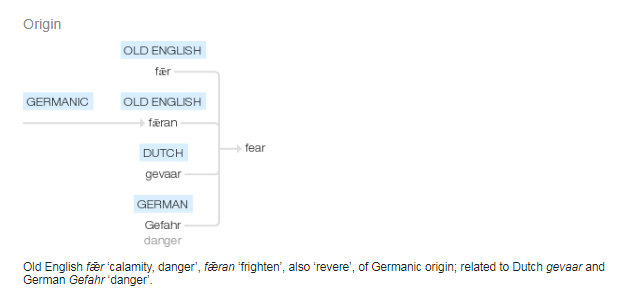
This journey for me, into transformation and change, began with the search to understand “the fear of the Lord”. As a child, I had it hammered into me that the fear of the Lord is the beginning of wisdom.

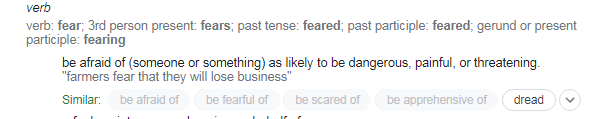
Unfortunately, my understanding of “fear of the Lord” was heavily tainted by my understanding of the word “fear”. And my understanding of “the Lord” was much influenced by the descriptions of a terrible God sitting on a throne “in heaven” surrounded by “a host of angels” that were ready to send anyone and everyone to hell.

It was much more of a Machiavellian description of “tis better to be feared than loved”, than an understanding of awe, presence and communion. I certainly viewed God as being dangerous and painful. While I was perfectly capable of saying “God loves you”, it had quite the “domestic violence kind of love” written all over it. Unfortunately, I experienced a traumatic view of authority, which clouded and overwrote my views on God.

It has been hard for me to change and learn a new definition of Divine Love. One of the many reasons that you will find me referring more to “Divine” and “Source” rather than “God” and “the Lord” in this blog is that I am aware that I am not the only one that still has wounds to heal. I am perfectly clear in my mind that these are man-made wounds, by men (and women) who purported to be godly and “loving”. And horridly, wretchedly human.

I came close to throwing out the baby with the bathwater.

It is so much easier to say “God did this” than to take the time to separate the humanity of (mostly) well-intentioned, badly misguided men and women, and simply turn your back on the Divine.

Finding my way back to accepting Divine Love and living in that Presence has been a challenge: one in which I have had to be open and vulnerable to healing and change over these past ten years.

Forgiveness and learning to love and accept myself have been difficult lessons to live by.

A peace that passes understanding

And yet, in 2020, I had a year in which to come to grips with “how far I’ve come”. You might notice that there has been a hiatus in posting (for months on end).

Part of this was overwhelm with all that was happening in the world. Another part was being drawn into the shadows of “This is where you need to shine more light in your life and allow healing to take place. This is what you are holding onto and it’s time to let go of.”

The beauty of 2020, for me, was that I discovered that somehow, over the last decade, I had discovered “a peace that passes all understanding”. Accidentally tripped over it during the chaos.

While I contemplated questions like:

  • What is truly important?
  • How does the way I am living my life reflect my values?
  • What do I trust in and where is my faith place?

I discovered that I had come to a deeper understanding of the simplicity of Source versus channel.

The Source of abundance, health and well-being is the Divine. The channels through which I may receive abundance can be a job, independent contracting or even gifts.

When I found my channels placed in jeopardy by the chaos of 2020, I suddenly discovered that my faith and trust had moved. I was no longer trusting in myself and my ability to create income: I had an inner peace I had never experienced before of “my Source” would provide a new channel.

Likewise, I’ve had to face thoughts and challenges regarding my attitudes towards health and wellness. I live from a place of responsibility: I am 100% responsible for my health and wellness and taking care of myself.

Ideas without action are worthless, inspired action, take action, wisdom is doing, compassionate wisdom, courageous action, courageous compassion, compassionate creativity
Ideas without action are worthless! Harvey Mackay

Nonetheless, the question arose: but where am I putting my faith?

Is my faith limited to what I can control and what I can do for myself? Or is it in something bigger than me? Can I trust in my Creator that I am wonderfully made and that all my cells and organs respond and vibrate to a Divine vibration of health and wellness?

Letting go: moving with inspiration

For most of us, 2020 gave us the challenge and opportunity to let go of life as we knew it (and planned it), and to turn our trust into a Divine purpose and process.

Most of us can quote many a verse that reminds us that everything that is happening is for us. But what does wisdom really look and feel like in the face of uncertainty?

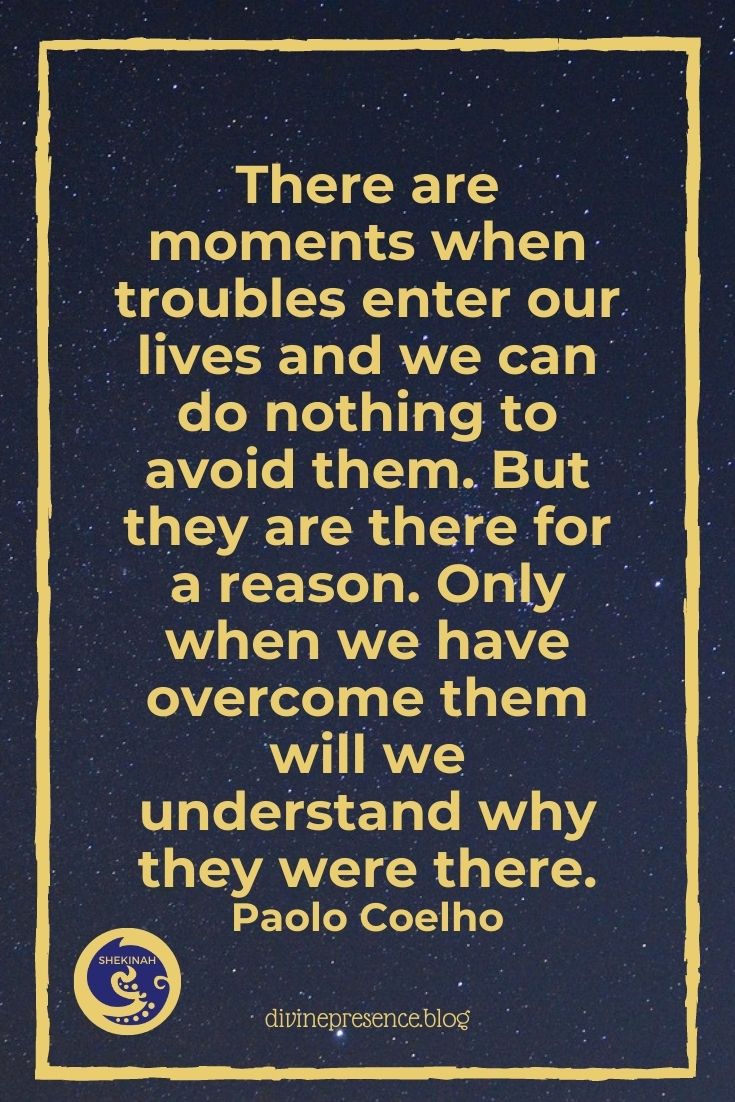
There are moments when troubles enter our lives and we can do nothing to avoid them. But they are there for a reason. Only when we have overcome them will we understand why they were there.
There are moments when troubles enter our lives and we can do nothing to avoid them. But they are there for a reason. Only when we have overcome them will we understand why they were there. Paolo Coelho

In part, we have to be willing to let go of what was to step into what could be. This requires changes at so many levels:

  • from the heart: starting with love and compassion for ourselves and for others around us;
  • in our heads: minding our thoughts, especially the doubts, awfulisations and catastrofising that we do;
  • and in our guts: being willing to gently release the tight grip we have on our identity “this is who I am” and grow into a new creation.

On a spiritual level, it requires that we be reminded that we are souls having a human experience. Our spirits are searching for Oneness with the Divine – living constantly in that Divine Presence, rather than separated from. And yet the human experience teaches us that we are individual and separate from each other and from God. We are constantly trying to get back to God.

Creative compassion

Divine Love, especially in moments like these, invites us to get in touch with God’s plan and purpose in our lives. Each one of us has been given unique talents and gifts that are not shared by others.

Likewise, most of us have passed through levels of preparation. What life lessons have you learned that have moulded you into the person you are today?

Creative compassion invites us to have a look at everything we have to offer, as well as our heart’s desires, and ask:

What is truly on my heart?

This might include questions or thoughts of the following nature:

  • What might it be like to live in alignment with Divine Will?
  • How can I use all the gifts, talents and experiences I have been given to serve others?
  • Who am I drawn to serving?

Many of us, don’t have immediate clarity. Some, of course, get called similar to what we’ve read in the Bible:

  • Jonah – told exactly who to go to and what to say to them;
  • Jeremiah – given visions and messages
  • Peter – called by Jesus to leave his nets

Some of us might end up with an experience like Esther, put in a position where we only discover it’s purpose when there is a crisis “I was put here for such a time as this”. Others might experience hardship like Joseph, only to be called “when it’s time”.

Most of us, on the other hand, have nothing quite so concise. Life is much more mundane and subtle.

Are we listening for those callings?

Perhaps, like the Good Samaritan, we are simply called to go about our business and just help others anonymously when they are put in our path.

The only questions we have to ask ourselves is: am I living this life from a place of compassion for myself & others? Do I allow Divine Love to flow through me as a conduit and channel for others?

Sometimes the calling is simply to follow a new line of study or preparation, without knowing the end purpose. Can you trust the Divine to take that step without being able to see the full path ahead?

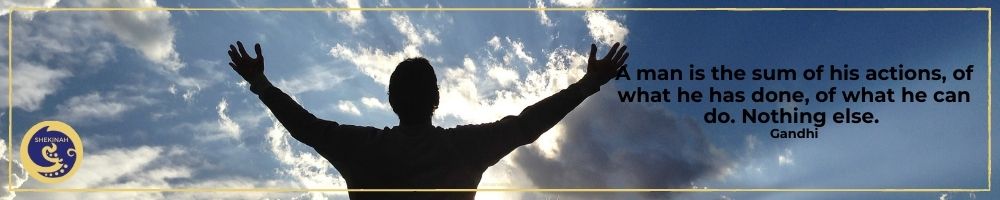
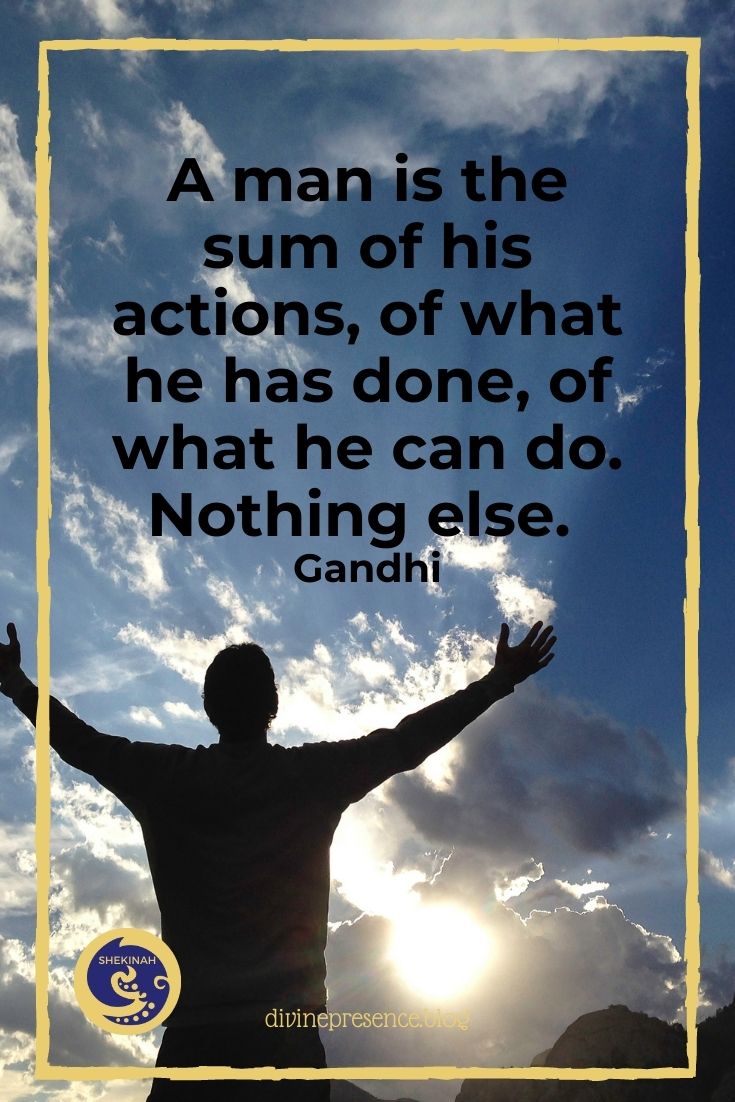
A man is the sum of his actions, of what he has done, of what he can do. Nothing else. Gandhi

It takes courage to act when called:

Without action there is no true wisdom.

As James said, it is not simply about hearing “the Word” or memorising it. It’s no good to spout it out to others or recite it.

The true change happens when we allow it to change our heart: to give up our heart of stone and allow it to be replace with a heart of flesh. A hear that is vulnerable, open, soft and gentle.

When this happens, we learn to think in new ways. And as we begin to think in new ways, we learn to talk differently. We see through new eyes, with compassion and empathy.

It takes courage to allow Divine Love to change and transform our lives. In many cases, this means letting go of any hatred or fear that we have been harbouring. To start to let go of fear, we have to acknowledge and accept that we are afraid.

When I’m honest with myself: fear is usually about situations beyond my control. Like most of the things that happened in 2020. Letting go of that fear requires that I learn “fear of the Lord” in a new way: trust in the invisible.

And only now am I discovering that level of courage to have faith. I haven’t figured out my “calling”, but for now, I’m willing just to take the one next step that is clear on the path ahead and trust that the rest will be revealed when I’m ready.


Inspirations:

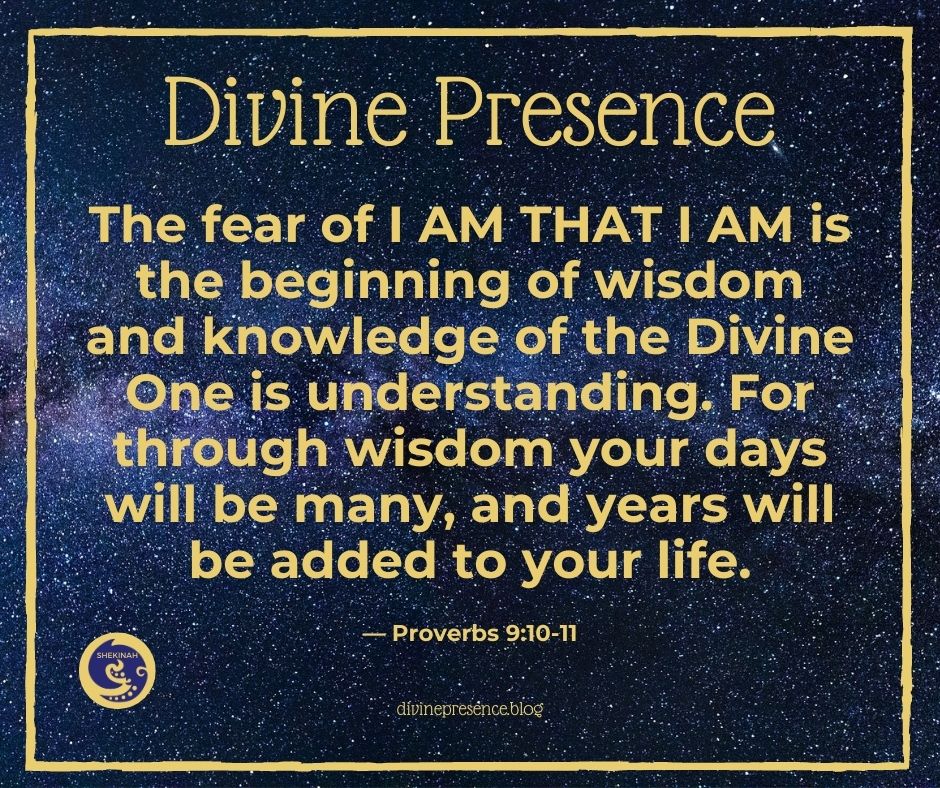
The fear of I AM THAT I AM is the beginning of wisdom and knowledge of the Divine One is understanding. For through wisdom your days will be many, and years will be added to your life.

Proverbs 9:10-11
The fear of I AM THAT I AM is the beginning of wisdom and knowledge of the Divine One is understanding. For through wisdom your days will be many and years will be added to your life.
The fear of I AM THAT I AM is the beginning of wisdom and knowledge of the Divine One is understanding. For through wisdom your days will be many and years will be added to your life. Proverbs 9:10-11

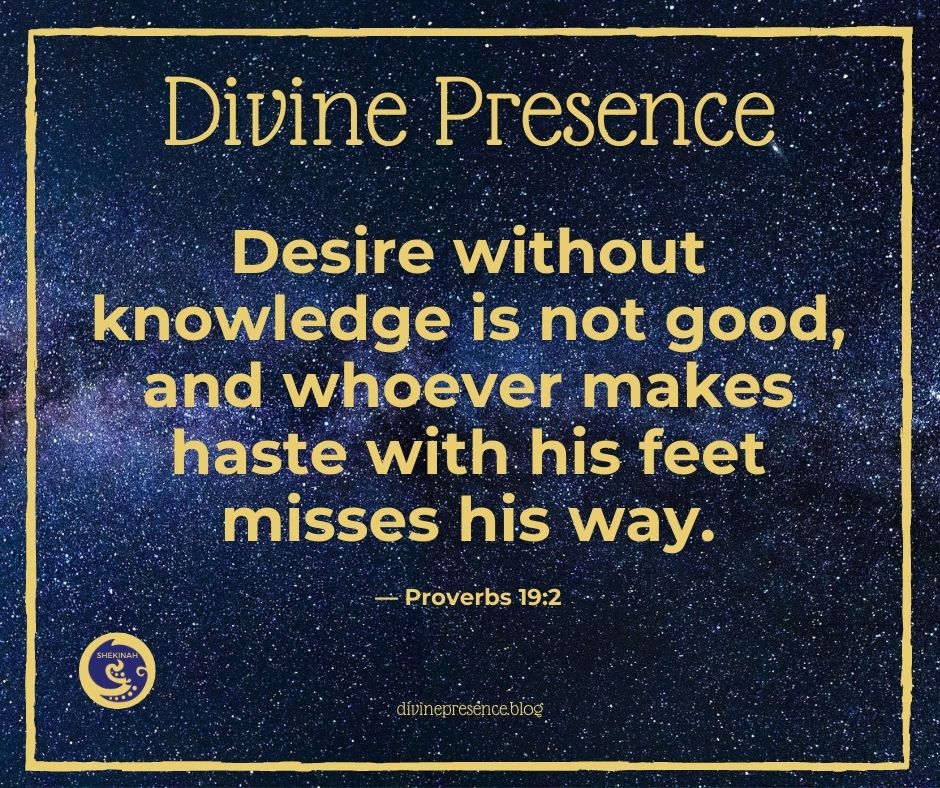
Desire without knowledge is not good, and whoever makes haste with his feet misses his way.

Proverbs 19:2
smart compassion, smart courage, taking inspired action, Desire without knowledge is not good, and whoever makes haste with his feet misses his way.
Desire without knowledge is not good, and whoever makes haste with his feet misses his way. Proverbs 19:2

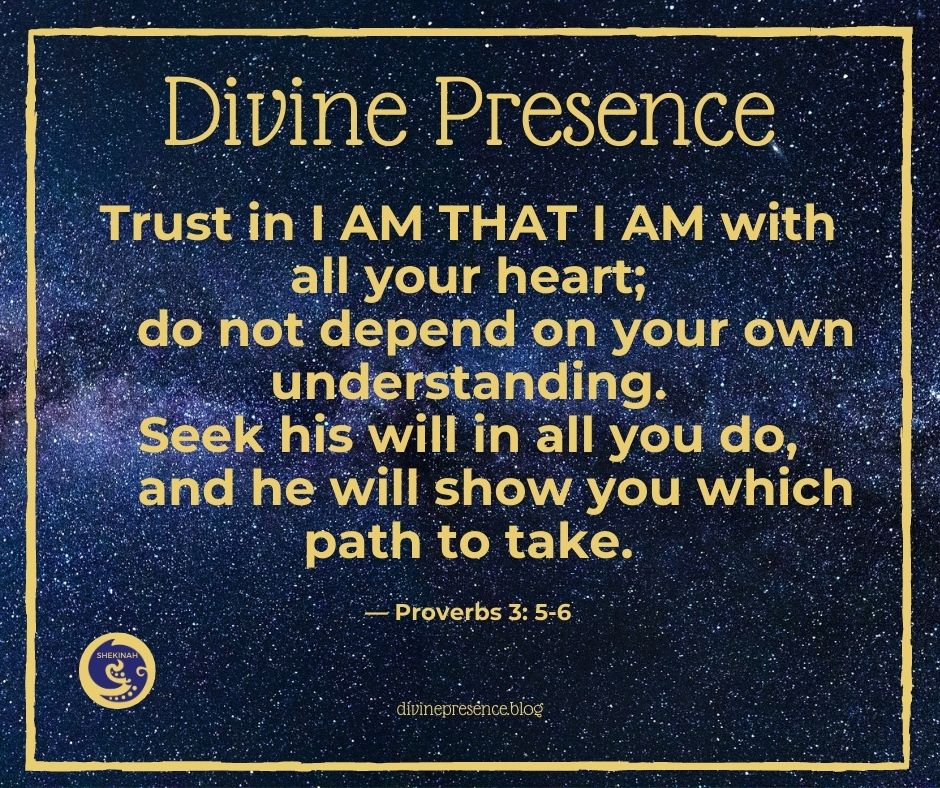
Trust in I AM THAT I AM with all your heart;
    do not depend on your own understanding.
Seek his will in all you do,
    and he will show you which path to take.

Proverbs 3: 5-6
Trust in I AM THAT I AM with all your heart; do not depend on your own understanding. Seek Divine will in all you do, and the Divine will show you which path to take.
Trust in I AM THAT I AM with all your heart; do not depend on your own understanding. Seek Divine will in all you do, and the Divine will show you which path to take. Proverbs 3:5-6

And I will give you a new heart, and a new spirit I will put within you. And I will remove the heart of stone from your flesh and give you a heart of flesh.

Ezekiel 36:26
And I will give you a new heart, and a new spirit I will put within you. And I will remove the heart of stone from your flesh and give you a heart of flesh.
And I will give you a new heart, and a new spirit I will put within you. And I will remove the heart of stone from your flesh and give you a heart of flesh. Ezekiel 36:26

So get rid of your feelings of hatred. Don’t just pretend to be good! Be done with dishonesty and jealousy and talking about others behind their backs.

1 Peter 2:1
feelings, hatred, pretend, be good, dishonesty, jealousy, talking about others behind their backs
So get rid of your feelings of hatred. Don’t just pretend to be good! Be done with dishonesty and jealousy and talking about others behind their backs. 1 Peter 2:1

All knowing is doing
All knowing is doing. Dr. Humberto Maturana
wisdom, change, intelligence, divine love, The measure of intelligence is the ability to change. Albert Einstein
The measure of intelligence is the ability to change. Albert Einstein
ideas without action are worthless
Ideas without action are worthless! Harvey Mackay

There are moments when troubles enter our lives and we can do nothing to avoid them. But they are there for a reason. Only when we have overcome them will we understand why they were there.
There are moments when troubles enter our lives and we can do nothing to avoid them. But they are there for a reason. Only when we have overcome them will we understand why they were there. Paolo Coelho
A man is the sum of his actions, of what he has done, of what he can do. Nothing else.
Gandhi
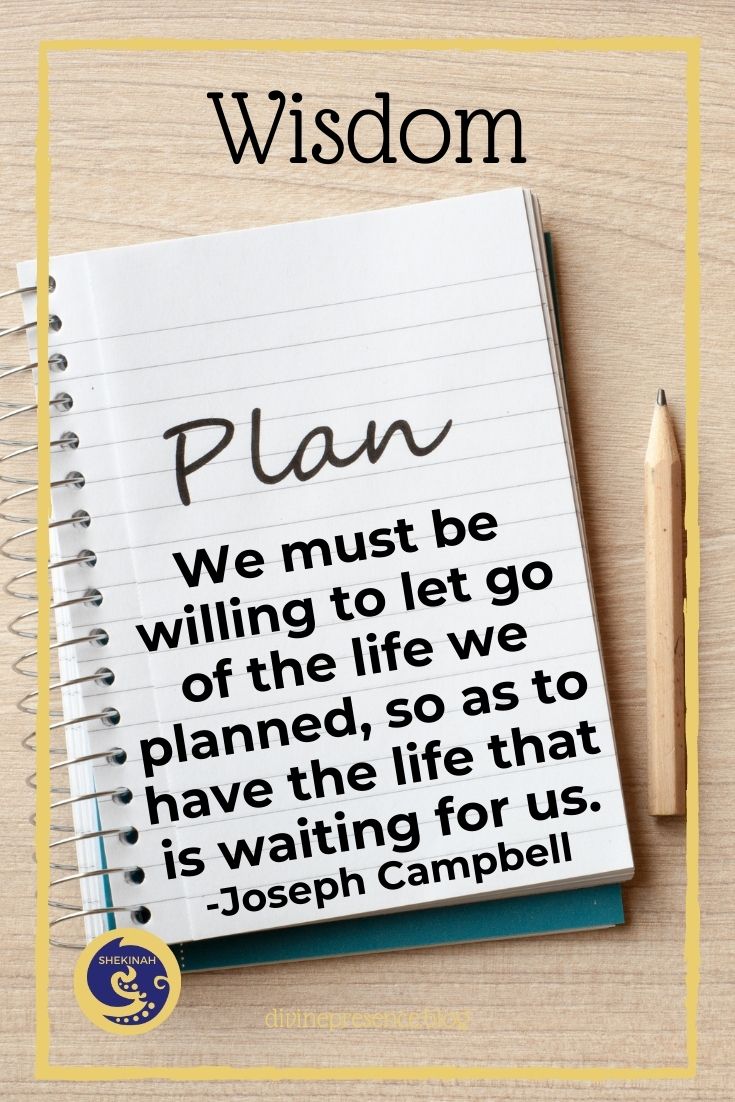
We must be willing to let go of the life we planned, so as to have the life that is waiting for us.
Joseph Campbell

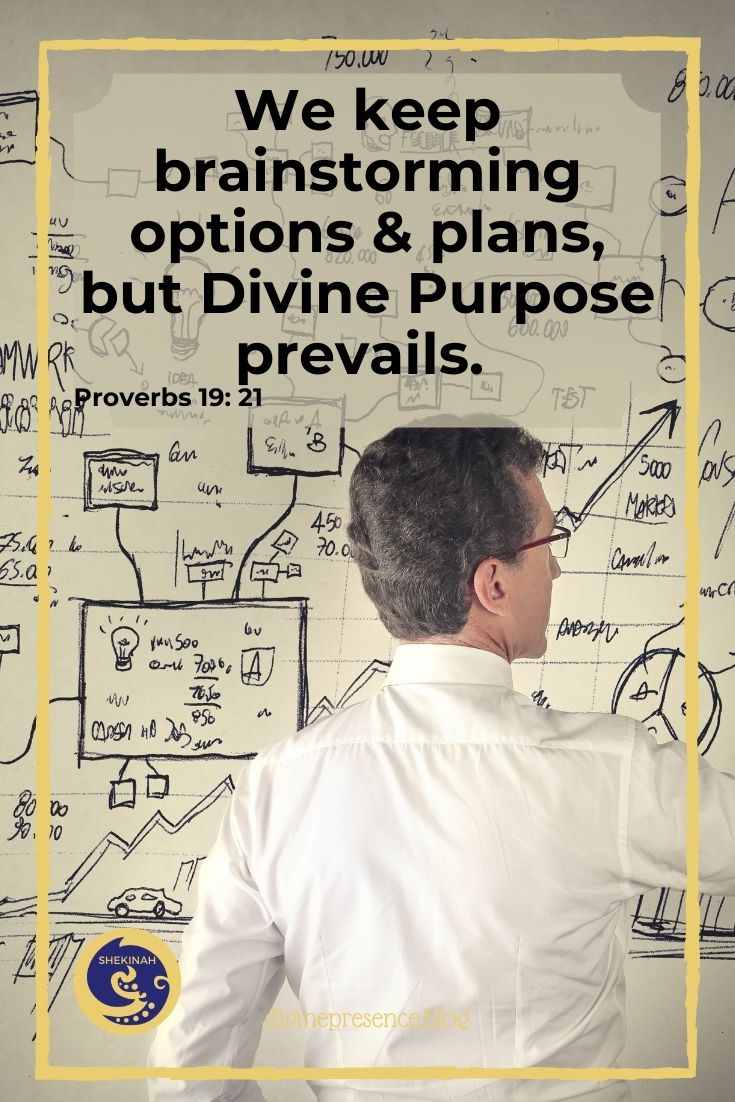
We keep brainstorming options and plans, but Divine Purpose prevails.
We keep brainstorming options and plans, but Divine Purpose prevails. Proverbs 19:21