Today’s lectionary reading is from Psalm 27, and it shows a troubled David reaching out to God when times are troubled. He’s surrounded by intrigue, plots and plans. People are out to get him, and he’s acknowledged fear and frustration.
As David says in verse 12, he’s faced with false witnesses and people breathing out violence against him.
In spite of this, Psalm 27 starts and ends on a positive note of faith. Nonetheless, in the middle of the Psalm, we read David’s prayer when he begs for answers.
So, how do we transform fear into faith when we are surrounded by life’s challenges?
Desiring God and the presence of Spirit
Seeing through God’s eyes
Psalm 27 starts out with a strong affirmation:
The Lord is my light and my salvation; whom shall I fear?
The Lord is the stronghold of my life; of whom shall I be afraid?
What does it mean for the Divine to be our light?
a light allows us to see things clearly, rather than stumbling around in the dark.
light is also used to guide the way and show us our path;
in other instances, we have light that can highlight dangers and warn us, like lighthouses
Typically, when we think of light, we also instinctively think of it’s opposite: darkness. And often, in darkness, we are blind to our situation and unable to see the way ahead. We can’t identify the path we should walk or the obstacles that can cause us to stumble and fall.
To start to turn fear into faith, our first step is to see our situation clearly. And for this, we need to use the right light.
Is the light that I am using to look at my situation and circumstances, the eyes of Spirit and Divine inspiration? Or am I looking at my situation through the lens of my fear, other people’s opinions or gossip?
Is this a Divine perspective? Or did I get caught up in worldly troubles and opinions?
What is my faith placed on?
Let’s have a look at Psalm 27:5.
Psalms 27 reminds us that we are to find shelter and refuge in God. We find three metaphors for hope here:
refuge, stronghold or shelter
a tent
a rock
Here David syas that he hides in the shelter of God, he is concealed under the cover of God’s tent, and finally he is set high on a rock.
I don’t know about you, but it’s really easy for me to get caught up thinking that money will solve all my problems. For example, how many times have we heard the saying:
If you have a problem that your money can solve, you don’t have a problem.
So, for many of us, when we’re faced with a problem, our first thought is: money can solve this. And just like this, the love of money becomes a new problem, as we place our faith in money, rather than God.
Now, money is a good thing. But when we set our faith and trust in money, it takes us away from our spiritual walk. We start to focus all our energy and attention on making money and having “enough” money stored away so that we can feel confident and safe.
When I was younger, I know that my faith was placed on my parents rather than God. And perhaps, for you, there are friends or family that you have put your faith.
That’s not to say that God doesn’t allow people to help us and shelter us, but we have to guard our hearts to make sure that our faith is placed in God, rather than in other people.
Because, just like Job learnt through life’s trials, it’s easy to lose all your money and all your family and friends in just a moment. And then, what do you have left to put your faith in?
And so, we hear David say in verse 6 that his head is lifted up and held high. He’s happy and joyful, celebrating with shouts of joy.
What is your personal prayer?
And then David turns into a personsal prayer of faith: let’s look at verses 7 & following.
Is your heart like David’s which says:
Come, seek God’s face!
Can you say?
Your face, Lord, do I seek. Do not hide your face from me.
When you are troubled, what’s your first reaction and response? Is it to seek the presence of the Divine?
Or is God and prayer the last solution you think of when you’ve run out of all other options?
I know for me, often my first impulse is not to directly seek Divine guidance. First I rely on myself and try to fix it and solve the problem, and then, when all else fails, I turn to God.
But Psalm 27 reminds us that this is our first response: to seek God’s opinion while we are looking at the problem.
One of things I have come to appreciate about churches and meetings, is that we start with prayer. No matter the problem that we are looking at, we ask for God’s insight and inspiration for solutions.
Our daily practices and habits
But, are we doing this at home and in our every day life?
When you have a challenge at work, do you dedicate 10 seconds to ask for God’s insight before you really start to look at it?
A few years ago, one of the girls at work asked me why I always had empty client folders in my drawer. It wasn’t just for the convenience of setting up new client files. In fact, my practice was simply this: I would sit down and look at how many new clients and how much new work I needed, and then I would go and get the empty file folders in that amount. I would then sit and pray over those folders, asking that they be filled with new work and that I would have the discernment to know which clients to accept and which to reject and turn away.
My personal prayer was that God would take care of my needs by sending me work. And my faith was that I would get the right work and clients because they were first dedicated to God.
But I don’t always remember this formula.
That was a habit that I developed. It didn’t come naturally to me. I would worry about doing the right thing to get clients, and finally, when all else failed, I would ask God.
But, we develop habits of faith through practice.
So, what are your daily and weekly practices that turn fear into faith?
David reminds us:
Teach me your way, O Lord…
Wait for the Lord, be strong and let your heart take courage; wait for the Lord.
So, today I invite you, can you never give up on the path of transforming your daily habits and practices into those that turn fear into faith?
I’ve recently been dwelling on what does it mean to be free? And there are so many aspects to this idea of freedom:
Emotional freedom: what emotional baggage am I carrying with me that I need to let go of? Do I feel free to express my emotions and acknowledge what I’m feeling, or do I bottle everything up and avoid my emotions?
Relationships: Does freedom mean that I have no responsibility in relationships? Or does it give me freedom of choice in who I cultivate relationships with and how much effort I put into my relationships? Am I free to end a relationship or have boundaries so that others know that I can’t be walked over?
Financial freedom: What would it mean to you to be financially free? Would financial freedom mean being rich? Or are rich people equally slaves of money?
Freedom of thought and Mental freedom: Is my mind clear and able to focus on what I want to focus on? Am I plagued by my own thoughts and mental demons?
Viewed from another perspective: Am I free to have my own thoughts and opinions? Or does someone else control my way of thinking?
Physical freedom: Is my body and health in top shape so that I can enjoy the freedom of movement and enjoy life?
Physical freedom might also be related to slavery – whether this refers to being an actual slave and controlled by another person or whether this is simply addiction.
Spiritual freedom: what does this look like and feel like for you?
Freedom to act: What or who governs my actions? Am I free to choose how I behave in life?
Freedom of speech: Can I say what I want and what I’m thinking?
Time freedom: Who controls my time and how I spend it?
So, today, I want to have a quick look at how the Bible talks about freedom.
Now the Lord is the Spirit, and where the Spirit of the Lord is, there is freedom.
Freedom in the Old Testament:
Isaiah 61: 1
The Spirit of the Lord GOD is upon me, Because the LORD has anointed and commissioned me To bring good news to the humble and afflicted; He has sent me to bind up [the wounds of] the brokenhearted, To proclaim release [from confinement and condemnation] to the [physical and spiritual] captives And freedom to prisoners. (Amplified Bible)
And we read in Psalms 119: 45
I have gained perfect freedom by following your teachings (Contemporary English Version)
Most of the Old Testament, when it speaks to freedom and liberty is about literal slaves and setting free the captives. Of course, some of the references can be read metaphorically to spiritual captivity.
Freedom in the New Testament:
Most of the verses about freedom we find in the New Testament, specifically in the Epistles.
John 8: 32
And you will know the truth, and the truth will set you free.
What is the truth that you need to accept and know in your heart and mind today in order to gain freedom?
Let’s start by looking at those of 2 Corinthians 3, as there are a few that I want to highlight.
2 Corinthians 3:6
He makes us worthy to be the servants of his new agreement that comes from the Holy Spirit and not from a written Law. After all, the Law brings death, but the Spirit brings life.
1 Corinthians 6: 12, 19-20
You say, “I am allowed to do anything”—but not everything is good for you. And even though “I am allowed to do anything,” I must not become a slave to anything. (NLT)
Or do you not know that your body is a temple of the Holy Spirit within you, whom you have from God? You are not your own, for you were bought with a price. So glorify God in your body. (ESV)
And then again, in 1 Corinthians 10: 23
All things are lawful [that is, morally legitimate, permissible], but not all things are beneficial or advantageous. All things are lawful, but not all things are constructive [to character] and edifying [to spiritual life]. (Amplified Bible)
Galatians 5:1, 13-14
So Christ has truly set us free. Now make sure that you stay free, and don’t get tied up again in slavery to the law.
For you have been called to live in freedom, my brothers and sisters. But don’t use your freedom to satisfy your sinful nature. Instead, use your freedom to serve one another in love. For the whole law can be summed up in this one command: “Love your neighbor as yourself.”
Romans 8: 2
For the law of the Spirit of life has set you free in Christ Jesus from the law of sin and death. (ESV)
Romans 13: 8
Owe no one anything, except to love each other, for the one who loves another has fulfilled the law.
James 1: 25
But the one who looks into the perfect law, the law of liberty, and perseveres, being no hearer who forgets but a doer who acts, he will be blessed in his doing.
Romans 12:2
And do not be conformed to this world [any longer with its superficial values and customs], but be transformed and progressively changed [as you mature spiritually] by the renewing of your mind [focusing on godly values and ethical attitudes], so that you may prove [for yourselves] what the will of God is, that which is good and acceptable and perfect [in His plan and purpose for you]. (Amplified Bible)
And going back to where we started:
2 Corinthians 3:17
For the Lord is the Spirit, and wherever the Spirit of the Lord is, there is freedom. (NLT)
Today we remember and celebrate the birth of Jesus, and how his lessons of love shine bright through the ages. All over the world, different peoples and cultures join together to remember the birth of this bright light in the midst of darkness.
Our story starts out with homeless travellers, forced by colonisers and imperialists to return to a town that was no longer home. For them, this meant a winter’s nights spent in a stable.
No central heating (possibly no heating at all). No electricity or running water. Instead, they put up with straw beds, the smell of dung and moisture, and possibly leaks in the roof and a cold wind chill.
It was only slightly better than staying outdoors.
We’re told that Mary gave birth in these conditions. Forget
the midwife, doctor or antibiotics
warm water and clean towels
another pair of hands to help Joseph clean up the baby after it was born
close family and friends to help out and bring a caserole.
Instead, it is a very humble birth, as you might find in an indigenous village of the third world, yet devoid the community support.
This is the birth that we celebrate at Christmas.
A birth of humility, yet full of a mother’s love and the faith of strangers.
A birth that changed the world, how we see God, and even how we interact with God.
From these humble beginnings, we find ourselves two thousand years later here in this Church remembering the meaning of Christmas.
The Radiance of Faith
In Luke we read that following the birth of Jesus, an angel appeared to shepherds, watching their sheep in the fields around Bethlehem.
Perhaps you would be more acquainted with cowboys than shepherds, unless you live in the outback of Australia, the highlands of Scotland or various parts of the Middle East.
But most of us know that these shepherds were likely in worse conditions than Mary and Joseph who were in the stable. They were likely under the stars, without a roof or tent over their heads. Exposed to the elements in the middle of winter.
And it’s to these people that the angel appears with the good news of the birth of the Messiah.
The angel didn’t appear to the priests and pharisees. He didn’t go to the palace and announce the birth to the king or to Pontius Pilate as the representative of Rome in Judea.
Instead, the good news was shared with lowly shepherds.
In what was undoubtedly a terrifying way. Great light and fanfare on a quiet night in the mountains.
Scared much?
And yet, what was the response of the shepherds after overcoming their fear?
Rejoicing!
More importantly: they responded with action.
They left their flocks and went straight to visit Mary, Joseph and Jesus. Without waiting.
This is their example to us of the radiance of faith.
Hearing. Believing. Taking action based on that faith and belief.
So, for each of us today, let’s take a moment to reflect on our faith in action.
How do we live a life of faith?
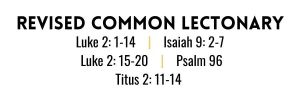
Titus tells us
For the grace of God has appeared, bringing salvation to all, training us to renounce impiety and worldly passions and in the present age to live lives that are self-controlled, upright, and godly,
Titus 2: 11-12
The grace of God appears
It all starts with Divine grace. Not because we deserve it or have worked for it. Simple a Divine gift from above.
We are merely asked to accept it.
Because we have accepted this Divine Love, we can begin to change our habits and way of being.
Training us
Titus then goes on to say that this grace of God, this salvation, trains us. The grace is instantaneous.
But our transformation is something that we work on.
We are trained in this, day by day.
What we renounce or quit
We start by choosing to renounce those habits and ways of living that leave us in the darkness. Titus calls these worldly passions.
Walking in the light of love is a choice. A choice we make daily.
And the principal part of that choice is to quit those practices, attitudes and ways of living that keep us chained.
This is different for each person. Perhaps it’s gluttony or being lazy. For others, it is a shopping addiction or smoking. And yet, for another, it might be bitterness and hate.
We start by choosing to let go, renounce and quit.
The new habits we adopt
Then, we open our time, energy and focus up to the opportunity to adopt new habits and ways of being.
Titus says that in the present age – at this moment – we choose to live lives of self-control. Creating a new habit requires discipline, attention and focus.
It’s more than just making a New Year’s resolution to do things differently. For many of us, it’s noticing our hidden triggers and what stimulates the old habits.
For example: gluttony is often about avoidance of emotions. But we get stuck on thinking that gluttony is about the food. There is nothing wrong with the food. What we need to look at is our relationship with food. When we use food to cover up and avoid, we end up eating more than we need because we don’t want to feel emotionally uncomfortable. It’s easier to feel physically uncomfortable.
So, when we start to notice our triggers and what stimulates the old, then we can adopt the new.
Coming back to our example of gluttony: if I am avoiding my emotions, when I accept God’s love and grace in my life, then I can start to love myself. At this moment, I interrupt the old habit of over-eating and instead sit with the emotions and feelings that had me uncomfortable.
With this love and grace that shone down from me from above, I practice loving and accepting myself, rather than avoiding my feelings by eating them.
Let your love shine bright
Once I have mastered this, even in one area of my life, it’s possible to let that love shine bright in many other areas of my life.
Other habits are easier to break and new habits become easier to make.
As I change – emotionally, mentally, physically and spiritually – others can see the change in me.
But it all starts because of a message I received of Divine Love – acceptance of Divine Grace – that allows me to then go out, like the shepherds at Christmas, and share with others about this miracle of transformation.
How will you choose, this Christmas, to let your love shine bright in your neighbourhood and community?
When we look at the life and death of Jesus there are many lessons that stand out. But today, I invite you to reflect on these 5 ways that you can practice the presence of Spirit in your life, based on Jesus’ birth.
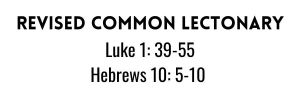
Today’s reading from Luke demonstrates to us the joy and rejoicing of Mary and Elizabeth, as well as John the Baptist’s reaction to first meeting Jesus while in the womb.
We’re told that Elizabeth was filled with the Holy Spirit immediately.
These are the first two ways that we reflect the spirit of Christmas and Jesus’ birth in our lives:
Rejoicing
Filled with the Spirit
Rejoicing in the Christmas Spirit
If only it were as easy as I make it sound. Rejoice!
Many try to imitate this Christmas spirit with dopamine and serotonin substitutes:
Shopping sprees
Parties
Giving gifts
Novelty: Loads of new toys and things to do
All of these mimic that feeling of rejoicing, but once Christmas is over and we enter the New Year, we slump. They were just substitutes for true joy.
True joy, on the other hand, is from the inside out. Mary responds to Elizabeth’s greeting with these words: (1:47)
my spirit rejoices in God my Savior
This is a spiritual joy, not a dopamine rush. It’s not dependent on circumstances or the latest buzz.
Before this, however, we read that Mary proclaims:
My soul magnifies the Lord.
In order to reach this level of spiritual joy, Mary focused on praise and worship. What is your focus and praise?
Where attention goes, energy flows.
Where is your focus? Does this create spiritual joy for you?
Filled with the Spirit
Secondly, as I mentioned, Elizabeth was filled with the Spirit. She had a moment of enlightenment as she spoke to Mary and blessed her.
But the fruit of the Spirit is love, joy, peace, patience, kindness, goodness, faithfulness, gentleness, self-control… (Galatians 5: 22-23)
Is your spiritual focus on being filled with the Spirit and growing these fruit as a natural outcome of your spiritual practice?
When you squeeze a lemon, you get lemon juice. If you are squeezed and pressured in life, what naturally flows out of you? Is it love, joy, peace and patience?
It’s when you are under pressure that you naturally see what fruit you have.
And the spirit of Christmas calls us to be filled with the Spirit.
The purpose of Christ’s coming
The final three ways that we can reflect the spirit of Jesus’ birth in our lives are all related to the purpose of Christ’s coming to this world.
Hebrews 10 mentions that sacrifices and burnt offerings are not what the Creator desires to see from us. Jesus also said that he had not come to do away with the law or change it, but to fulfill it.
And yet, our sacrifices and burnt offerings are not what is desired. So, what does the Creator desire from us?
Love the Lord thy God…
Love the Lord your God with all your heart, with all your soul, and with all your mind, and with all your strength.
Mark 12: 30
So, what is your heart set on? What rules your emotions and feelings? Neuroscience tells us that our heart governs our desires. It’s not a rational thought governed from the mind – but rather something that is felt and hoped for.
But our mind and thoughts are also covered by this rule to Love God. It’s not just with your heart, but also with your mind. Are your thoughts governed by your love for God? What do you spend all your time thinking and worrying about?
As I said above, where attention goes, energy flows. Is your attention placed on your love of God?
Once again, we are called to love God with all our soul – it’s a spiritual love of God, not just thoughts and feelings.
Finally, there’s a physical love of God: what we actually do. Do your actions reflect your love of God?
This takes us naturally into the second part of Jesus’ teaching:
Love your neighbour…
The second is this: ‘You shall love your neighbor as yourself.’ There is no other commandment greater than these.
Mark 12: 31
The first commandment is to love God, and the second ones tells us to love others as much as we love ourselves.
The spirit of Christmas often shows up in churches and communities as giving to those less fortunate than us. Especially in colder climates, where the homeless battle extreme cold, Christmas is a time for sharing basic necessities and life-saving goods.
But as you reflect on this season, how will you express your love for others and those around you?
As Jesus taught us, your neighbour can be anyone, including marginalised social groups or immigrants.
Thy will be done…
Perhaps the biggest challenge of the season is to accept that the real message in Christ coming to earth is these four words:
Thy will be done…
We read this in the text from Hebrews, where the author tells us
I have come to do your will…
It’s not about offerings and sacrifices, but understanding the Creator’s will in your life. Not looking at how this is expressed for the person sitting beside you, but rather accepting that your life has a plan and a purpose.
Exclusively yours.
How will you fulfill this purpose?
Are you willing to look at what this purpose for your life is and then put all of your heart and soul into living with purpose?
Is your daily prayer: “Thy will be done”?
It’s easy to get caught up in plans and executing good ideas. But are those good idea a reflection of the Creator’s will for your life? Are you in alignment with your purpose?
When you tune into your heart’s desire, what do you heart? Is your heart’s desire to live your best life for yourself? Or are you willing to focus your energy on letting your heart’s desire be what God has for you?
When you take action, who guides and leads those actions? What is the driving motivation behind you?
Reflecting the purpose of Christmas in your life
So, in these coming days, I invite each and every one of us to delve into:
Rejoicing in a life filled with the Spirit, where your heart, mind, soul and strength are focused on loving God and your neighbour as yourself. In this way, saying “Thy will be done” starts to come naturally for each of us.
4 Rejoice in the Lord always. Again I will say, rejoice!
5 Let your [a]gentleness be known to all men. The Lord is at hand.
6 Be anxious for nothing, but in everything by prayer and supplication, with thanksgiving, let your requests be made known to God; 7 and the peace of God, which surpasses all understanding, will guard your hearts and minds through Christ Jesus. (emphasis added)
As I near the Christmas season, I am faced with various challenging situations and worries about world peace, instability and war.
Life’s challenges can rob us of joy. For example:
loss of a loved one
illness or an accident
financial woes
problems at work or in our relationships
global instability.
I struggle with rejoicing. I feel jaded and cynical about where the world is headed.
But the fruit of the Spirit include joy and peace. Anxiety and depression are not on this list.
But, I’m not told to rejoice in my circumstances or because everything is going great. I’m reminded to rejoice in the Creator. That is, to trust in Spirit’s blessings and goodness.
Today, I’m back to one of my favourite passages in James 3: “the untamable tongue”. Having control of the words of our mouth reflects fully in our relationships. We use words to build others up and encourage them, or we can tear each other down.
We are warned in the first verse of James not to presume to be teachers (those purporting spiritual authority above others), because these teachers will be judged more harshly.
We all make mistakes, especially in what we say.
A slip of the tongue for just a moment can destroy a relationship in just a few words.
No amount of saying “I’m sorry, I was angry and I didn‘t mean it” can rebuild the trust that was destroyed by our words.
Having perfect control of the tongue – to encourage others and drive their growth – is the measure of the perfect man, able to use his self-control in every way.
From Galatians, we know that one of the fruits of the Spirit is self-control:
Perfect control of your tongue is the hallmark of being filled with the Spirit.
Consider the effect of the words of a school teacher on a child and the impact this may have on them throughout their lives:
You’re useless and can’t learn anything.
Obviously, you’ll never go to University.
I believe in you! Youˋre so hard-working and putting in so much effort, youˋll definitely do great things in the future.
I know you can do this! Even though it’s been hard for you to learn these things, youˋve done a great job with this homework.
And this is even more powerful within the Church.
Imagine what happens when someone in leadership says to our youth:
You’re so rebellious, it’s impossible to teach you. There’s simply no hope for you.
With all this rebellious spirit you’ve shown, I’m sure that you will always stand tall and be strong when going against the crowd. You have the strength to be a future leader.
As we are reminded in James, a large ship is guided by a small rudder. And the tongue of those in leadership can shape the future of our Church and members.
We don’t have to be in a leadership position to use the power of the tongue.
gossip is mentioned about 133 times in the Bible
cursing shows up more than 65 times; and
complaining is mentioned more than 100 times.
Proverbs 20:19 reminds us:
A gossip betrays a confidence; so avoid anyone who talks too much.
Worse yet, those who eagerly listen to gossip are considered to be of low character. (Prov. 17:4)
A curse is calling for harm or injury to come to someone, and 1 Peter 3:10 suggest that if we love life and want to see good days, then we should guard our tongue against speaking evil and our lips from lying.
Swearing is not necessarily using curse words – in fact, consider swearing to be verbal abuse.
You’re stupid and I hope you die.
You will never amount to anything.
You’re so fat and ugly, no one will ever love you.
These are all curses, even though they don’t include any swear words. Instead, we are asked to speak positive and encouraging words to each other.
Complaining is not the same as letting people know when something is wrong. It comes from the soul and focuses on the problem, rather than on seeking solution.
This is why in verse 7 of James 3 we read:
The tongue also is a fire… It corrupts the whole person, sets the whole course of his life on fire, and is itself set on fire by hell.
We see examples of this in every day life.
Gossip spreads like a wild fire, especially through social media and chat groups.
You’re in a meeting discussing a problem and looking for solutions: One person complains and soon ten people are complaining and the vibe gets dragged down. Soon, everyone has forgotten that the meeting was to look for solutions.
One kid in the play ground starts to bully and verbally another, and soon you have a group of kids picking on the victim.
So, what are we supposed to do?
These verses of James 3, verses 1-12 don’t really offer us the solution. They simply outline for us the power of the challenge and what happens if we fail to control the tongue.
It’s only when we get to verses 13 and following that we discover the solution:
Wisdom and understanding is shown by a good life, by deeds done in humility and the humility that comes from wisdom.
So, if we want to drive growth in our community or family, is starts individually: each one of us has to learn to control our tongue.
It’s living from the inside out – what we have on the inside will be shown to others by what we say and do.
Isaiah 50, verse 4 from this week’s lectionary reading offers the following:
To encourage those who are tired and weary.
The Lord GOD has given me a trained tongue, that I may know how to sustain the weary with a word. Morning by morning he wakens, wakens my ear to listen as those who are taught.
This is what we are asked to do.
When we use our words for encouragement and building others up, then we are living a life filled with the presence of the Divine.
For the past couple of years, I’ve chosen a Word of the Year – one value which I wish to embody in my life. It’s always been one of my values, but there’s always one that stands out more than others. For 2022, that word is Mastery:
the mastery of self (self-awareness and the resulting self-control) as well as
knowing more (knowledge and understanding) and
putting that new learning into practice.
Because to know anything is to do things differently from before.
Life management is about being well adjusted. … being able to stand against the wind of disappointment. Time is not really the important element. It is what time represents that matters. Time management is not about a list of things in order of priority that must be completed… Time management is about life management.
Given that life is mostly about intangible things, does it not make sense to learn to control them – things such as thoughts, desires, anger, curiosity, ambition, motivation, sadness, hurt and sorrow? Althought we live in a tangible world, life itself occurs within our mind, spirit and soul.
Jonar C. Nader, How to Lose Friends & Infuriate People, a controversial book for thinkers.
For me, this is the essence of what I am reminded of when I read Proverbs – self-awareness and then the option for self-control.
The wisdom of Proverbs
One of the many things that I’ve had on my “I wish I had time to do” list is to deep dive back into Proverbs. Of all the books of the Bible, this is one of the two that most resonates with me. The other one is the book of James.
Proverbs has a special place in my heart because I remember my dad reading it to me every night before bed. Occasionally, we would talk about what a verse meant. But more often than not, it was just a reading of a chapter or a portion of a chapter.
I was left with many more questions than answers.
from dictionary.com
Of course, many times, we try to read Proverbs literally, and not all of it can be understood with a literal meaning.
My experience with Proverbs is that different ones “jump out at me” at different moments in life. Moreover, I’ve interpreted them differently, depending on what I’ve been learning at the time.
As with any proverbs, many of them take time to digest and understand.
The usefulness of Proverbs
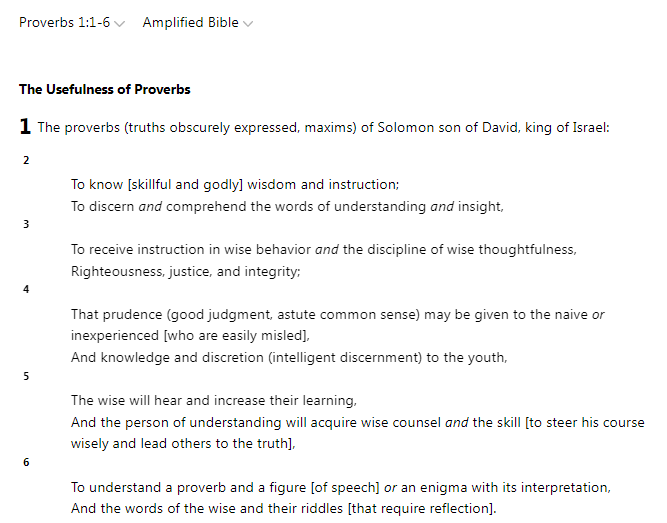
In the very first chapter of Proverbs, there is a small introduction, although there is debate as to how much of the book of Proverbs this introduction applies to.
Proverbs 1: 1-6, Amplified Bible
I find it irrelevant who the author of Proverbs was: I don’t read the book of Proverbs because of who wrote it.
Throughout my life, I’ve turned to Proverbs when I’m in turmoil. And these last three years have had their fair share of inner (and outer) turmoil.
Consider how other translations present the introduction to Proverbs:
Proverbs 1: 1-6, The Message
Proverbs 1: 1-6, King James Version
These are the wise sayings of Solomon, David’s son, Israel’s king— Written down so we’ll know how to live well and right, to understand what life means and where it’s going; A manual for living, for learning what’s right and just and fair; To teach the inexperienced the ropes and give our young people a grasp on reality. There’s something here also for seasoned men and women, still a thing or two for the experienced to learn— Fresh wisdom to probe and penetrate, the rhymes and reasons of wise men and women.
1 The proverbs of Solomon the son of David, king of Israel;
2 To know wisdom and instruction; to perceive the words of understanding; 3 To receive the instruction of wisdom, justice, and judgment, and equity; 4 To give subtilty to the simple, to the young man knowledge and discretion. 5 A wise man will hear, and will increase learning; and a man of understanding shall attain unto wise counsels: 6 To understand a proverb, and the interpretation; the words of the wise, and their dark sayings.
The place of Proverbs
Proverbs is one of the five books of Wisdom of the Bible, together with Job, Psalms, Ecclesiastes and Song of Solomon.
I find it interesting that two of these books are poetry and psalms, rather than writings of wisdom, per se. And yet, all five of the books offer unique perspectives on life and the experiences of life.
But, as you will have noticed from the introduction to Proverbs, it has lofty goals:
wisdom
wise behaviour
the discipline of wise thoughtfulness
good judgement
astute common sense
intelligent discernment
instruction
a manual for living
knowledge
understanding
to understand what life means
insight
righteousness
justice
integrity
lead others to the truth
The road to wisdom
So, over the coming weeks and months, I intend to take a new journey through Proverbs and re-examine how it impacts my life. What new wisdom can I glean from these pages?
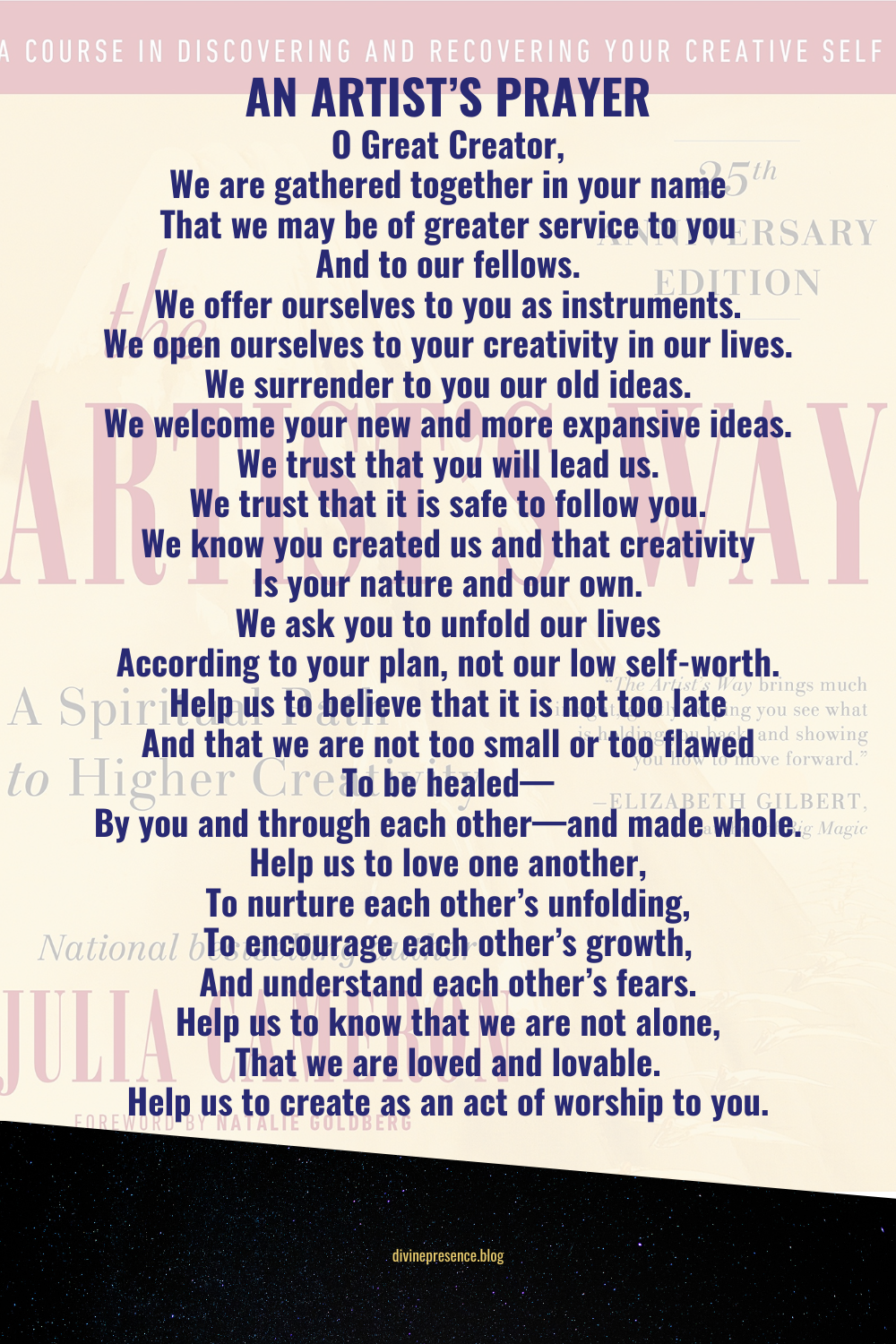
In the exercises for week 4 of the Artist’s Way (by Julia Cameron) one of the tasks is to write your own Artist’s Prayer.
AN ARTIST’S PRAYER
O Great Creator, We are gathered together in your name That we may be of greater service to you And to our fellows. We offer ourselves to you as instruments. We open ourselves to your creativity in our lives. We surrender to you our old ideas. We welcome your new and more expansive ideas. We trust that you will lead us. We trust that it is safe to follow you. We know you created us and that creativity Is your nature and our own. We ask you to unfold our lives According to your plan, not our low self-worth. Help us to believe that it is not too late And that we are not too small or too flawed To be healed— By you and through each other—and made whole. Help us to love one another, To nurture each other’s unfolding, To encourage each other’s growth, And understand each other’s fears. Help us to know that we are not alone, That we are loved and lovable. Help us to create as an act of worship to you.
Of course, we’re now in Week 8, and I haven’t done it yet.
So, perhaps it’s time to really look at how I wish to co-create with the Creator.
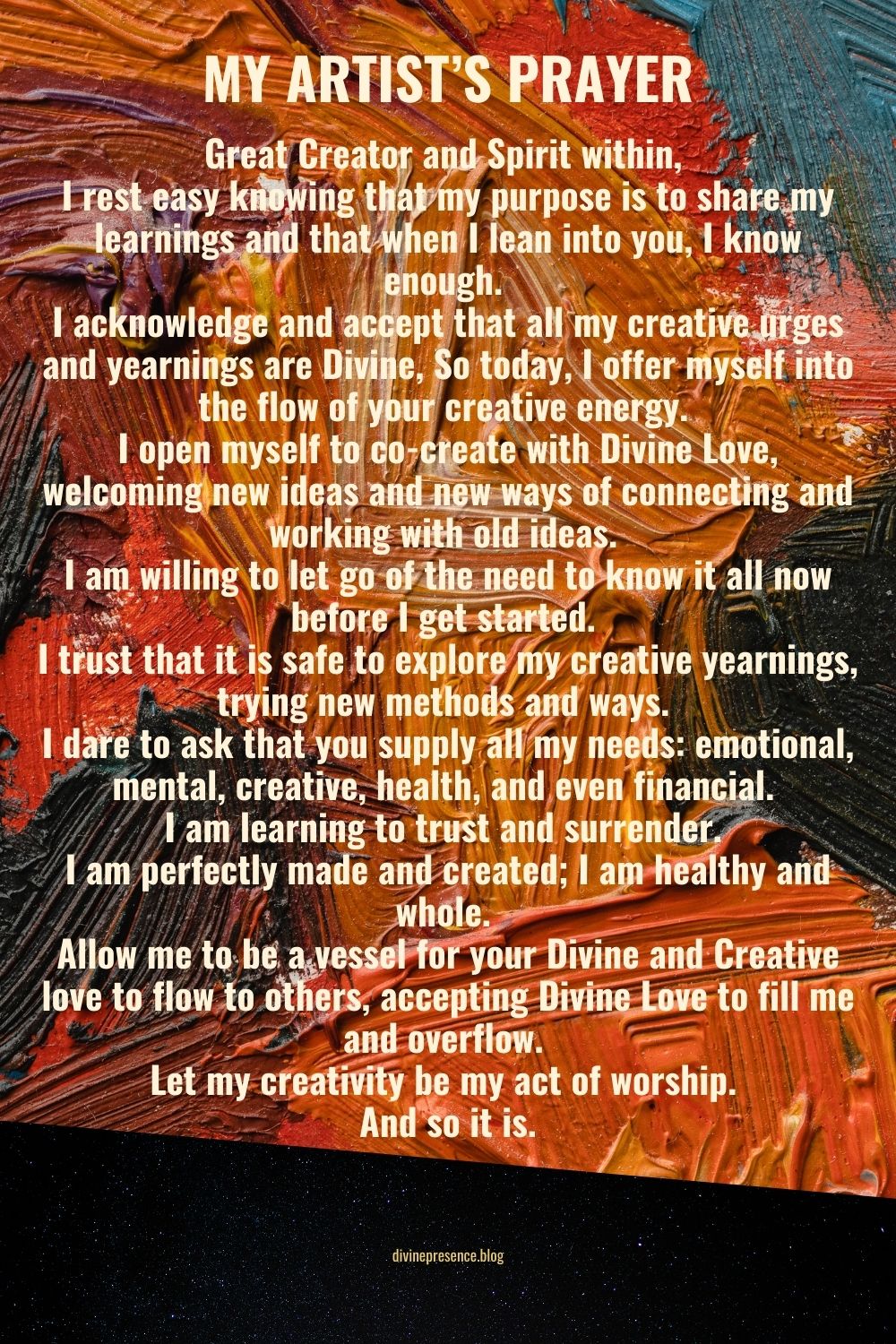
Great Creator and Spirit within, I rest easy knowing that my purpose is to share my learnings and that when I lean into you, I know enough. I acknowledge and accept that all my creative urges and yearnings are Divine, So today, I offer myself into the flow of your creative energy. I open myself to co-create with Divine Love, welcoming new ideas and new ways of connecting and working with old ideas. I am willing to let go of the need to know it all now before I get started. I trust that it is safe to explore my creative yearnings, trying new methods and ways. I dare to ask that you supply all my needs: emotional, mental, creative, health, and even financial. I am learning to trust and surrender. I am perfectly made and created; I am healthy and whole. Allow me to be a vessel for your Divine and Creative love to flow to others, accepting Divine Love to fill me and overflow. Let my creativity be my act of worship. And so it is.
I took a moment today to reread one of my posts from ten years ago: The Lord is my shepherd. It was a collection of thoughts about Psalm 23 and what it means to feel safe in the presence of God.
For these last ten years, I’ve come to understand that our English Bible translation uses “the Lord” as the standard translation wherever the original used YHWH. I’ve distanced myself from the idea of God being a man sitting Santa-like on his sky-throne.
Somehow distant and looking down on us all – rather than Spirit and in each and every one of us. Over these past 22 months, I realise that what has kept me going strong is the Divine presence of inner peace, abundance, and compassion, despite living in a time of turmoil.
So, today I want to share my thoughts on what it means to allow the Infinite to flow through us as Divine Wisdom, peace and love, taking thoughts and ideas from Psalm 23.
Divine Wisdom shepherds me
One of the things about sheep and shepherds is that the sheep get used to the shepherd because the shepherd lives with them twenty-four hours a day. They recognise the shepherd by the sound of their voice and the scent.
And so, as I learn to live in the presence of the Divine, I learn to listen to that still, small voice of Divine Wisdom. It’s often hushed, although occasionally, I get a brutal shake or prod!
Shepherding is about being led, surrendering to the path of Divine Will, rather than what my ego would have me do. And when I listen and surrender, I recognise that I have everything I need.
Everything I need: all the time I could possibly need to get things done, all the love and affection that my heart desires, and all the resources that I need at this moment.
In fact, when I sit with my God Box, which I made at the beginning of this year, I am in awe! All the worries and concerns that I put in my God Box were taken care of. All of them. Not a single one of those worries came to pass this year! I took all those things that were beyond my control and simply said, “you handle this for now, and when I’m ready, gently place it on my plate to take care of”.
Resting in the presence of the Divine
Most of us remember that the shepherd makes us lie down in green pastures; there’s a lushness to this imagery. In addition to having our fill – an all you can eat banquet – do you experience the softness and gentleness of lying down and resting?
How have you rested in 2021?
Are you resting gently and deeply, or do you stay up at night with worries?
To quote my previous post on Psalm 23:
“We have found both provender and peace, rest and refreshment, serenity and satisfaction.”
In addition to surrendering to rest and relaxation, we are offered our fill of living water – to be cleansed, refreshed and revitalised.
Can you allow the Infinite to flow through you?
My soul is restored and renewed
I wear myself out trying to do it all from my own strength and under my own steam. I forget – regularly – to allow Divine Presence to flow through me and empower me. But, as I let it, my soul and spirit are restored and renewed.
All I have to do is step away from staying business – holding and grasping desperately to doing it all myself.
When I’m doing it all alone, it’s empty and incomplete. My ego’s happy – for a while until it falls and fails. Then it throws a tantrum when I realise that I am not perfect and complete unless I am open to the presence of the Divine.
I am complete when I am One with Spirit. But when I allow myself to be guided by Divine Wisdom, I find myself facing anything and everything. The path takes me back to wholeness.
But it is a soft allowing and opening up. It is surrender and trusting, which I still find challenging.
How are you allowing the Divine Creator to complete you?
A time of turmoil in the world
Walking through the valley of the shadow of death
These two years have felt like a walk through the valley of the shadow of death. The foreboding of “it’s out there” could be terrifying, and yet I have discovered this fantastic, deep well within me of inner peace. One that genuinely has surpassed all my understanding.
I know, without a doubt, that we are walking through this valley. That means that there is a light at the end: there will be a moment when we are no longer under the shadow of death.
But I feel an intense peace and calm within me. I haven’t feared for myself or those I love in these two years of uncertainty. I have felt deeply protected and shielded despite all the turmoil.
Some of the changes have been harrowing – as an introvert with a slightly extroverted child, I cannot begin to explain the challenges of two years of home-schooling while working from home. And yet, this too shall pass.
And every time she says that these have been the best two years of her life, I am blown away. In my mind, I have focused on my shortcomings rather than how resilient we have both been!
We have been abundantly protected and shielded. We’ve grown and changed with the changing times.
And in so many ways, I have been miraculously comforted and found safety.
Making time for self-care
Despite the challenges of these times – the enemies that surround us – Divine Wisdom reminds me to take time out. To sit quietly and eat calmly. To enjoy the food before me.
These past two years have been about re-encountering a relationship with gratitude and pausing, especially around food. I’ve made more time cooking and sitting down to eat, with grace before meals, rather than eating on the run.
And what I’ve realised is that this has a very practical application in our digestive system: as we switch over from “fight & flight mode” to “rest and digest”. It’s a crucial physiological distinction. Divine Wisdom reminds me regularly: stop what you’re doing and just eat. It’s okay to take time for nourishing your body without multi-tasking.
I am also reminded that I have a purpose and calling – and that does not require multi-tasking either! It’s becoming more single-minded about “the one thing” and focusing my energy and attention on what I am called to be and do.
The more I follow this, I count my many blessings! My cup indeed does run over!
Guided by Divine Wisdom, with goodness & mercy watching my back
Who has your back?
We’re promised that both goodness and mercy will follow us wherever we go. Mercy sweeps along behind me, forgiving my mistakes and weaknesses, allowing me to forgive myself.
Can I let go of the guilt and shame that I’ve carried and allow it to be swept away by goodness and mercy?
The final part of Psalm 23 reminds us that we dwell forever with Divine Presence, finally reaching that place of complete Oneness with Spirit.
I belong. I am loved and cherished, with an everlasting love.
This is what it means for Divine Wisdom to be omnipotent, omniscient and omnipresent.
Will you allow the Infinite to flow through you until you are One with Spirit?
Over recent weeks, in my healing journey, I have been examining my relationship with trust. It first came to my attention when I looked at my business decisions, especially mistakes that I have made over the past 20 years. But, in recent days, I noticed a pattern emerge.
The beauty of recognising patterns of behaviour is that it opens the door for change and transformation. What I’ve noticed is a swinging pendulum in my life between distrust and blind trust. This pattern has cost me thousands of dollars, as well as relationships and creating heartbreak.
It is in seeing my actions and omissions accurately that the doors open.
The truth sets us free.
Let me provide you with some concrete examples:
In my early business days, I hired a friend to run one of my companies. Because I was overwhelmed and swamped with the growth in business and hiring new staff, I failed to supervise her properly. She was struggling in getting everything done, and I wasn’t available to support her. I didn’t ask how things were going, instead choosing to focus exclusively on my own overwhelm. Unfortunately, while she was getting the client work done, she wasn’t invoicing the client for it! By the time I realised the mess in accounts receivable and payable, the client had accrued some $40,000.00 in services they hadn’t paid for. Thankfully, the client eventually paid all outstanding invoices. But it took years to get fully up to date, and I bore the financial brunt of being caught between suppliers and financing a client. When I’m overwhelmed, I shut down, dissociate from the present, and turn to blind trust.
In March 2009, I left on holiday for three weeks to New Zealand. I chose the dates based on the weather (end of summer) and flight costs (cheaper because summer holidays were over and it wasn’t yet Easter). I was overwhelmed and exhausted after restructuring staff following the 2008 markets crash. Unfortunately, March 31st is the end of tax season – which meant that my company tax returns were prepared and presented in my absence. The company accountant and external accountants included a refundable expense in “income”, an extra $54,000 in ghost income! As a result, my income tax bill that year was $27,000.00 when it should have been less than $9,000.00. But, you prepay taxes for the next year, based on the estimates of what you paid the previous year! So, not only was I hit with the current tax bill, but my estimated taxes for the next year were identical, giving me a tax credit for years to come. My blind trust created a substantial financial pinch.
I could provide you with many more examples in my professional life where I have distrusted, micro-managed and controlled every aspect of an employee’s performance, to those moments where I am overwhelmed and shut down, leading to no involvement or supervision at all.
Definitions
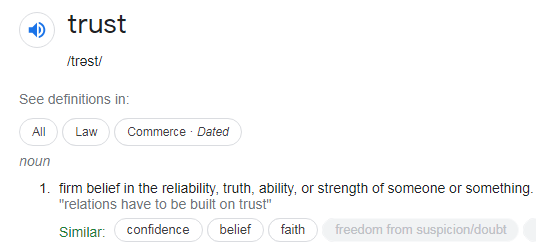
definition of Trust
Trust = firm belief in the reliability, truth, ability, or strength of someone or something
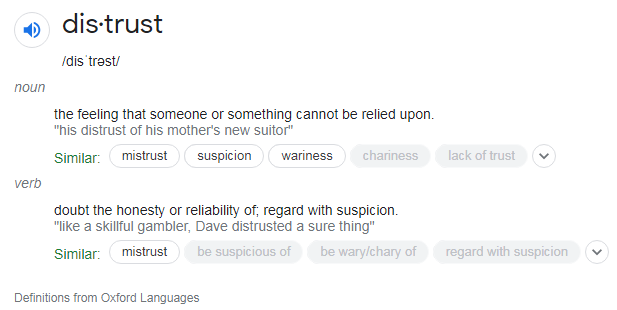
definition of Distrust
Distrust = the feeling that someone or something cannot be relied upon.
Blind faith or blind trust: “unquestioning belief in something, even when it’s unreasonable or wrong”. I take it to mean “trust in spite of evidence to the contrary” or blindly ignoring evidence that perhaps they are undeserving of your complete trust.
How trauma informs our state of mind
Unfortunately, this pattern is not something I learned as an adult, and I’ve been using this pattern since early childhood. When I get overwhelmed, the easiest solution is to shut down and freeze, and this takes me into dissociation from the present moment and avoidance. In these cases, blind faith and trust in others become the only option, and I can’t trust myself.
Hypervigilance at the other end of the pendulum presents itself as distrust, micro-managing every situation as I attempt to control the outcome. Of course, this is exhausting, making me angry (an emotion that I was taught not to acknowledge as a child) and frustrated. To avoid anger, I would rebound into dissociation and shut down.
I never learned how to stay in the middle: in balance, calm and being alert. I struggle on so many levels with trust, and this shows up in my life on every level:
personal
interpersonal
professional
spiritual
I could choose to sit in victimhood: “this is how I am, because of my childhood“. But I choose not to. I started to look at my patterns as generative learning – an opportunity to grow and change. And I share these learnings with you, because I want you to recognise that you have options and choices available to you.
As I have begun to experience inner peace, the wisdom of trust has become available.
The human experiences that break trust, building distrust
Years ago, I denied being traumatised at boarding school because I wasn’t regularly beaten and abused. Anger and speaking up would earn you a beating, being labelled a Jezebel, or having a rebellious spirit.
I avoided beatings by being “a good girl”, knowing when to shut my mouth and swallowing any anger I felt. The survival skills I learned were to shut down, dissociate, and walk away. Unfortunately, those skills are not very resourceful and helpful in my life anymore.
There are many moments that I wish I were rebellious, angry & unruly. How I wish I had been the wild child that baulked the system and stood up against injustices, daring to question unfair authority. Instead, I chose the safety and security of apathy, withdrawal and indifference. Unfortunately, as an adult, I still struggle with dealing with my anger, boundaries and injustice. As a lawyer, it’s easy to stand up for others. But I shrink instead of standing up for myself. I avoid confrontations of a personal nature, even when they would clear the air.
Through it all, I am entrenched in my independence. Of course, as I know now – hyper-independence is merely a symptom of trauma: unable to ask for help because I can’t trust others. Can I even trust myself?
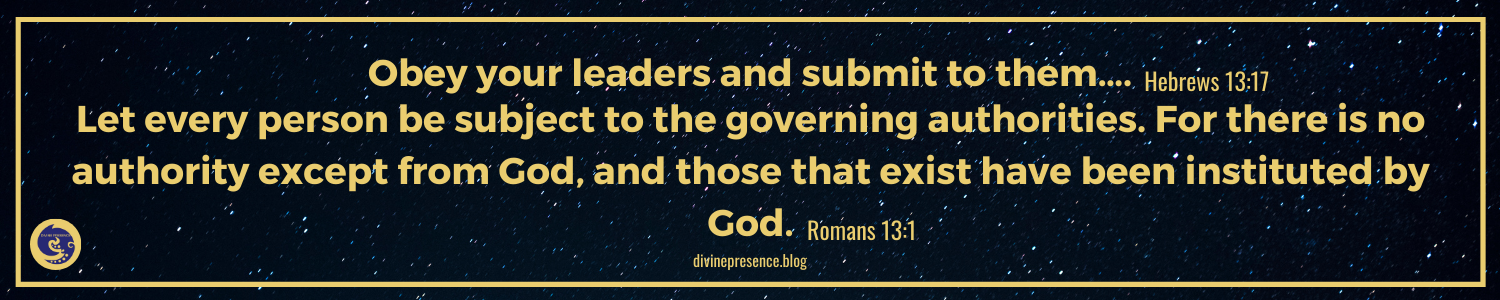
Taught to obey Church leaders without question:
We had verses drummed into us, which in themselves were not wrong. But was the interpretation of these verses rightly applied?
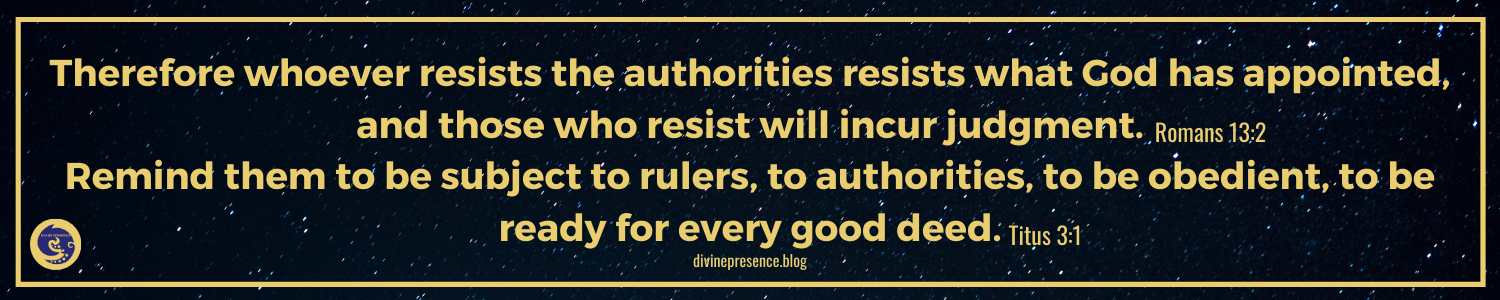
Under no circumstances were we, children, to question those in authority because they were “appointed by God”. And if God wanted to remove them for wrongdoing, then it was merely our duty to “pray about it” rather than to do anything.
Even the hymns we sang reminded us that we were to “Trust and Obey” rather than stand up for ourselves or others. Helplessness was ingrained, and anything that was not as it “should be” was “God’s will”, and we were to endure it.
Biblical teachings: the human heart
But that wasn’t the only weapon in the arsenal of submission. In reading the below verses, repeatedly we heard: “The heart is deceitful above all things”. Divine Justice prevailing, to each according to their ways, patterns and actions received little mention. Instead, beatings were justified because our hearts were deceitful.
Those in power were above all of that.
How can I trust myself if I believe that my heart is deceitful? What relationship or trust can I build with others if they are devious and incurably sick in their hearts?
If you question what I am telling you, you lack faith. Instead, you should “pray about it” and “trust God” to solve this for you.
If the prevalent attitude about human nature is one of sin and depravity, then there is no trust.
Maureen Murdock, “The Heroine’s Journey”
Divide and conquer has worked for centuries, both within the church and politics, and it’s as quickly at work today as it always has been. Even today, we hear who to distrust and then expected to place blind trust in authority.
But blind faith means that you have no ownership of your spiritual path or will. It relieves you of responsibility, creating victimhood. And victims are powerless, easy to manipulate.
I am so grateful for learning a new way: what it means to have a healthy trust.
As much as I would like to say that my journey back to trust began with trusting Divine Presence in my life, that’s not the truth of my journey. My transformation started with an exploration of self-awareness for personal growth, and spiritual healing occurred after learning and personal development.
The first step back to trust was:
Know thyself.
In noticing my patterns of distrust and blind trust, I could explore what healthy trust means. Emotional and spiritual healing have come together as I worked with forgiveness of myself and others.
My trust in the Divine grows as I let go of my need to micro-manage and control every tiny detail. And in living in the Spirit, I trust my insight and intuition to build relationships with others.
What does it mean to trust me, others and Divine Presence?
The elements of trust
Trust is not something we do from a place of apathy, withdrawal or dissociation. It is active and engaged: trust requires relaxed courage, curiosity, and calm presence.
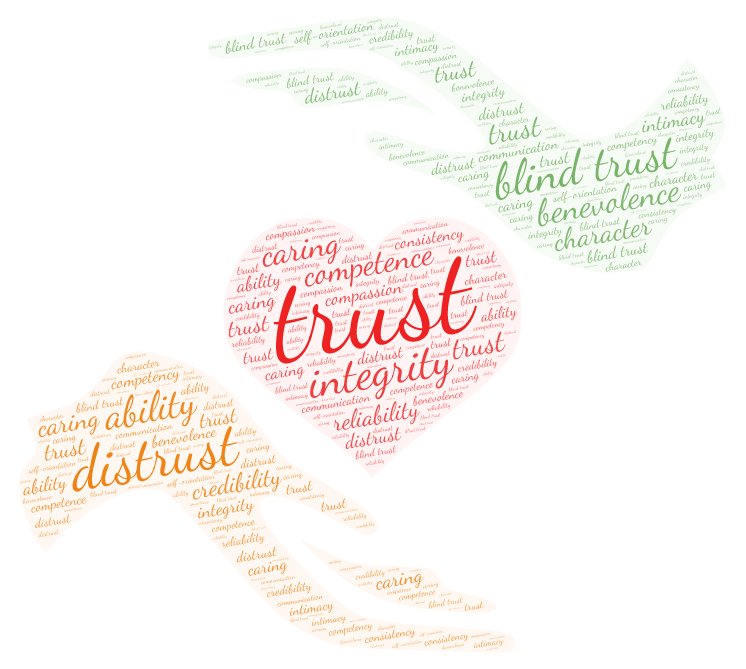
According to Grant Soosalu & Marvin Oka, in their book mBraining, they identify the four elements of trust (learning to trust yourself):
Communication
Compassion
Consistency
Competency
Other authors and writers similarly identify the basic requirements of trust as:
Competence
Character
Caring
Credibility
Reliability
Intimacy
Self-Orientation
Integrity
Benevolence
Ability
These authors point towards the same essential characteristics and requirements of trust. As difficult as it is, I have tried to group these together in a simple explanation:
Communication:
Is all about listening as well as sharing
As Covey says: “Seek first to understand, and then to be understood”
To build trust, it’s necessary to voice your wants, needs, desires and motives. It’s okay to have self-interest, but be open about what those interests are
“intimacy refers to your willingness to share appropriate information about the things that truly matter.”
Trust begins when we are open & transparent – even with ourselves
It is recognising my value and the value of others, leading to genuine empathy & understanding
Clear & heartfelt commitment to my personal wellbeing and the wellbeing of others
Only then can we build trusted relationships
Actions – Consistency & Character:
In order to build trust, there has to be congruence and alignment between what I say and do! This applies as much to promises I make to myself as what I promise others.
Predictable, reliable, & full of integrity
Loyalty, honour & duty
Respect and selfless service
Oriented to values and the vision – not just selfish interest
Clear set of principles, so you can be on the same wavelength
Can be counted upon
Ability – Competency & Credibility:
Mastery – skilled & knowledgeable
Has a domain of expertise and performs their functions well
Will speak up and give their point of view on the matter at hand from a point of knowledge
Stays current & up to date
Self-assured in their competence
Demonstrating progress towards goals
Emotional and spiritual healing: rebuilding trust
When I look back at boarding school and these four qualities of trust, I find those in authority sorely lacking. If they had known better, they would have done better. But they lacked communication skills; they were authoritarian rather than compassionate. When I look at their actions, looking for consistency and character, I find them predictable, but I couldn’t count on them. They were not always congruent in what they said and did, as the rules did not apply equally to all. Perhaps worst of all, they were not skilled and knowledgeable, although they believed themselves to be.
We were left with an expectation of blind faith and trust in authority because the essential elements of a healthy trust were missing.
Self-awareness
I now recognise that I have a proactive role in building relationships: I listen to the desires of my heart and trust my gut. I stay engaged and curious, rather than withdrawing. Instead of seeing myself as helpless and needing to be rescued, I recognise that I must play a part in building my future.
True faith is an inner alignment with yourself and with God. It’s a balance of trusting the universe to provide and doing your part to co-create with the Creator.
Letting the Infinite flow in my life: rebuilding trust
The road back to faith, trust and hope is uneven and rocky. Sometimes, it’s the procession of three steps forward and two steps back as I fall into habitual patterns of blind trust or distrust.
I am learning to communicate and listen. As I consistently practise the presence of the Divine in my life, I hear the small, still voice of Spirit. It requires that I quiet my mind – that I sit in Silence and allow my heart to be still. It’s a daily practice in which my mastery builds up each day.
I have to choose to be open and transparent; it doesn’t happen naturally. There are times I want to shut down, and I have to make a conscious choice to be vulnerable and compassionate. When I commit to building relationships with myself, others, and the Divine, trusting relationships open up for me.
I sit in the Silence each morning to reconnect and refill my heart with the faithful love of Divine Presence, for I trust in Divine Love. Each morning I listen to how I should walk and allow my Spirit to submit fully to Spirit
Ps. 143: 8
My understanding of what it means to rely on the Divine entirely has changed: it is no longer helplessness. I am not frozen in fear, unable to think logically or approach life with curiosity. I’m not keeping myself safe by being emotionally disengaged or apathetic. Instead, I am choosing to be fully present and connected.
From this place, I still choose trust, faith and hope.
Place your trust in the Eternal; rely on the Divine completely; never depend upon your own ideas and inventions. Give the Great Creator the credit for everything you accomplish, trusting that Divine Love will smooth out and straighten the road that lies ahead.
Prov. 3: 5-6
Other posts your might find interesting on Blind Faith:











 Divine Presence: Letting the Infinite flow in my life