We all carry burdens we refuse to name, yet we often mistake our spiritual journey for a performance. The prophet Isaiah forces us to confront this: What if our most fervent prayers are, to God, simply a heavy burden (1:14)? Our way of faith is not found in the rituals we repeat, but in the inner transformation that begins with honest reckoning. These readings reveal how works without faith are a scarlet-stained futility, but they also unveil the path of renewal through confession. When we embrace mercy, we receive the power of love and forgiveness, preparing us to make the decisive leap of following Jesus.
The Foundation: Lectionary Texts for Reflection
Isaiah 1:10–18: The Reckoning and the promise of purification.
Psalm 32:1–7: The joy of confession and forgiveness, unsealing mercy’s flood.
2 Thessalonians 1:1–12: The endurance of growing faith amid affliction.
Mark 10:46–52: Bartimaeus’s cry and the leap of response.
I. The Weariness: Laying Down the Mask
From burden to authenticity.
Inner Posture: Awareness of hypocrisy.
Movement Phrase: The soul grows weary of pretending holiness.
If the exhaustion we feel is not from the difficulty of our life, but from the spiritual lie we maintain, then the path to renewal begins here. We are invited not as performers, but as the weary ones, to lay down the mask of false piety. The soul grows weary of pretending holiness.
The prophet Isaiah points to the divine sigh: “I am weary of bearing them” (1:14). God is not weary of our sin, but of our inauthenticity. We have become so adept at the motions of our way of faith that we’ve forgotten its meaning. This is the quiet, daily form of Christian hypocrisy.
The Apostle Paul, writing to the Thessalonians, offers a vision of what genuine, unwearying faith looks like. He commends them not for their rituals, but for a tested faith “growing abundantly” amid affliction (2 Thess. 1:3). Their love is increasing, not as effort, but as overflow. He prays that God will “fulfill by his power every good resolve and work of faith” (2 Thess. 1:11). This is the promise: Not our frantic striving, but divine presence fueling what endures.
Invitation: What resolve stirs in you, unspoken, waiting for such power?
Refrain:Faith births love. Love births justice.
But unmasking is only the beginning. Awareness without repentance still withers; the soul must face what its silence has hidden.
II. The Reckoning: Facing the Abomination (Isaiah 1:10–18)
From hypocrisy to confession.
Inner Posture: Honest confession.
Movement Phrase: When I kept silent, I dried within.
We move from the fatigue of pretense to the necessary shock of the reckoning. We must face the spiritual cost of hiding our true state, accepting that our works without faith are what God finds burdensome. When I kept silent, I dried within. This phrase captures the internal cost of the hypocrisy Isaiah is about to name.
A. The Prophetic Renaming (The Fire of Recognition)
Isaiah begins with a devastating act of renaming: “Hear the word of the Lord, you rulers of Sodom; listen to the law of our God, you people of Gomorrah!” (1:10). This is the prophet’s gut-punch. We, the covenant people, are labeled for cities consumed by their own moral decay. The sin of Sodom and Gomorrah wasn’t hidden vice alone; it was a profound spiritual blindness—a prosperity that felt no obligation to the poor.
Invitation: In this renaming, what hidden Sodom lingers in your governance of self—of time, of words, of withheld mercy?
B. The Vain Offering (The Futility of Unrooted Works)
This hypocrisy leads to the central crisis: “What to me is the multitude of your sacrifices?… Your hands are full of blood” (1:11, 15). God rejects all the outward rituals because iniquity poisons the air. The vast accumulation of our works of faith is rendered futile if our inner transformation hasn’t aligned our heart with justice. Deeds detached from the heart’s truth are echoes in an empty chamber—resounding, yet rootless.
The Refrain:Faith births love. Love births justice.
Yet divine judgment is never the final word. Even as Isaiah names our desolation, mercy waits in the next breath. The Psalmist teaches us how grace begins — not in defense, but in confession.
III. The Release: Confessing the Heart’s Truth (Psalm 32:1–7)
From silence to song.
Inner Posture: Receiving mercy.
Movement Phrase:Truth demands its voice.
The spiritual journey pivots here, at the hinge of confession. We move from condemnation to the forge where guilt yields to grace. Confession unseals the flood of grace.
A. The Cost of Concealment (The Wasting Silence)
The Psalmist articulates the precise internal cost of living under the burden exposed by the prophet. When I kept silent, I dried within. This phrase perfectly captures the barren weight of unacknowledged sin: “my bones wasted away… my strength was dried up as by the heat of summer” (Psalm 32:3-4). Inauthentic faith is this exhaustion. It is why the first step toward renewal is simply speaking the truth.
Invitation: Where in your silence does the heat rise, drying what once flowed freely?
B. The Cleansing Fire (The Forgiveness Freely Given)
The moment of release is simple and instantaneous: “Then I acknowledged my sin to you, and I did not hide my iniquity; I said, ‘I will confess my transgressions to the Lord,’ and you forgave the guilt of my sin” (Psalm 32:5).
The Theological Hinge: The fire that razed Sodom becomes, in mercy, the forge that purifies the heart—ashes transfigured to gold, pretense to truth. We are covered by divine embrace: “Happy are those whose transgression is forgiven” (Psalm 32:1). We are no longer defined by the scarlet of our past, for God declares: “if your sins are like scarlet, they shall become like snow” (Isaiah 1:18). This is the power of love and forgiveness.
The Refrain:Faith births love. Love births justice.
The silence that once drained the Psalmist now gives way to the shout of faith. What was inwardly confessed now becomes outwardly embodied.
IV. The Response: Leaping into the Way (Mark 10:46–52)
From sight to following.
Inner Posture: Faith embodied.
Movement Phrase: He threw off his cloak and followed the Way.
A forgiven heart does not sit still; it shouts, it springs, it follows. Bartimaeus, the blind beggar, embodies this final stage of our way of faith.
A. The Bold Cry (The Heart’s Unsilenced Plea)
Bartimaeus began to shout: “Jesus, Son of David, have mercy on me!” (Mark 10:47). He prioritized his need over the crowd’s rules.
The Theological Hinge: Isaiah’s Sodom burned because blindness reigned in the powerful; Bartimaeus’s physical blindness is healed because he had spiritual sight. He recognizes mercy in Christ and voices the plea that the self-righteous refused to speak for the poor.
Invitation: What mercy do you cry for, louder than the world’s silencing?
B. The Surrender and Healing (The Way Made Visible)
When called, Bartimaeus made a definitive choice: “So throwing off his cloak, he sprang up and came to Jesus” (Mark 10:50). The cloak was his beggar’s chain. To cast it off was faith’s decisive surrender: no more hiding in the old sin.
Jesus honored the source: “Go; your faith has made you well” (Mark 10:52). The outward act was merely the visible evidence of the inner transformation. The story is incomplete without the following: “Immediately he regained his sight and followed Jesus on the way.” This is the key to all works of faith. Justice becomes not a duty, but love in motion on this spiritual journey.
The Refrain:Faith births love. Love births justice.
The one who follows on the Way becomes the sign of what faith fulfilled looks like. Bartimaeus’s leap becomes our lifelong walk — love made visible.
V. The Fulfillment: Living Love in Motion
From action to enduring love.
Inner Posture: Love enduring.
The cycle is complete: Isaiah wrenched open the abomination; the Psalm forged the release; Bartimaeus leapt into the Way. We are no longer Sodom’s heirs, burdened by scarlet-stained futility, but snow’s—made clean by surrender and empowered by love enduring, tested through mercy as Paul envisions. The goal is not just to feelforgiven, but to let that forgiveness drive us. As Paul prayed, God can fulfill in you “every good work of faith” (2 Thess. 1:11).
Final Challenge
Pause here: Confess the silence in your heart, not to earn, but to receive the boundless love and forgiveness. Then rise: Seek justice not as frantic striving, but as the forgiven one’s quiet command. Let your heart become the clean altar where mercy kindles every act of love.
Contemplative Sending
Go now—washed, forgiven, and aflame with faith that does not tire. Amen.
The Final Echo (Closing the Cycle):
Faith births love. Love births justice. And justice, lived in mercy, returns us again to faith.
In a fragmented world where decisions pull you in every direction—scheming strategies clashing with visceral drives and fleeting emotions—the heart-centered way invites you into the transformative rhythm of Divine Presence.
As Jeremiah 31:33 declares, God promises to inscribe His Divine Law not on stone tablets, but deep within your heart, unlocking authentic living as a flow of embodying faith that reshapes your core. Crucially, this isn’t rigid rule-keeping; it’s an inner transformation fueled by the Holy Spirit within, granting spiritual freedom to navigate life’s complexities with coherence and joy.
Drawing from the wisdom of Psalm 119’s honey-sweet meditation and 2 Timothy’s equipped endurance, we’ll explore how this New Covenant blueprint harmonizes your God-given centers—mind, spirit, and drive—for decisions that sow abundance and ripple love outward.
The Promise of Divine Presence: Awakening to the New Covenant
The prophet Jeremiah stood at the breaking point of a nation. Israel and Judah were in exile, a consequence of continually breaking the covenant God had established through Moses. That covenant—etched onto stone tablets—was a good and perfect law, yet it remained external. As a result, it was a law you could fail to keep, leading to cycles of obedience, failure, and punishment. The law was out there; the problem was always in here.
However, Jeremiah offers a vision of divine reset, a New Covenant that is unlike the old. God says: “The days are surely coming, says the Lord, when I will make a new covenant… I will put my law within you, and I will write it on your heart; and I will be your God, and you shall be my people” (Jeremiah 31:31-33).
This promise is the ultimate invitation into Divine Presence. It’s not about geography or temple rituals; it’s about intimacy. God moves the legal center of the universe—His governing Divine Law—from a scroll locked away in an ark to the deepest core of your being. Consequently, this is the difference between obeying a rulebook out of fear and aligning your very desires with God’s will out of love.
The shift means that knowing God is no longer a privilege of the few—a priest or prophet—but an intuitive reality for you: “for you shall all know me, from the least of you to the greatest” (v. 34).
Moreover, the New Covenant is God’s revolutionary act of grace, promising not only an inscribed heart but also full forgiveness: “I will forgive your iniquity, and remember your sin no more.” This foundational grace is what makes true inner transformation possible.
You are freed from the paralysis of generational blame (“The parents have eaten sour grapes, and the children’s teeth are set on edge,” v. 29) to take ownership of a life now written and defined by God’s love and presence.
From Exile to Inner Transformation: Your Blueprint for Spiritual Freedom
This shift from the external law to the heart-inscription is God’s blueprint for spiritual freedom. While the old law was a schoolmaster, pointing out our failure, the Divine Law written on your heart through the New Covenant is an embodying faith, empowering you to succeed.
Imagine a sophisticated navigation app: the old law gave you a paper map that was always getting lost or ignored. By contrast, the Divine Law is the GPS installed directly in your consciousness. It updates in real-time. Therefore, it doesn’t just tell you when you made a wrong turn; it guides your step before you even take it.
The result is spiritual freedom—not the freedom from all rules, but the freedom to live fully into the loving intent of the Law. Ultimately, it transforms rigid obedience into flowing, authentic living. This inward law, powered by Divine Presence, becomes the core operating system of your life, harmonizing the chaotic signals from your mind, heart, and gut into a single, coherent response. It turns following God from a stressful performance into a peaceful, heart-centered living that is guaranteed by grace.
The Holy Spirit within: The Power to Live an Embodied Faith
The profound promise of the Divine Law being inscribed on the heart immediately raises a critical question: How is this massive inner transformation achieved? The simple, divine answer is the presence of the Holy Spirit within.
The New Testament makes it clear that the Holy Spirit is the active agent who writes the Law of God onto the new heart (Romans 8:4-6; 2 Corinthians 3:3, 6). If the new covenant is the blueprint, the Holy Spirit is the master architect and builder, shifting your core from a self-serving mechanism to one capable of embodying faith—a practical, daily living-out of God’s presence.
Furthermore, this embodiment isn’t just a mental assent; it is fully integrated. Paul reminds us that our bodies are temples of the Holy Spirit within (1 Corinthians 6:19), implying that your very physical design is meant to facilitate a life of Divine Presence.
This truth—that God empowers transformation through your embodied experience—is powerfully illuminated by the modern framework of coherence, drawn from multiple Brain Integration Techniques (mBraining). This model posits that you possess three distinct intelligence centers, often called the “three brains”:
Head (Cerebral Cortex): The center for Cognitive intelligence (analysis, foresight, strategy).
Heart (Intrinsic Cardiac Nervous System): The center for Emotional/Relational intelligence (values, compassion, connection).
Gut (Enteric Nervous System): The center for Instinctual/Mobilizational intelligence (core identity, self-preservation, drive).
Therefore, the constant chaos in your life often stems from these three centers “voting” against each other: a head-led plan ignores the heart’s empathy, or a gut-led reaction overrides the head’s wisdom. Ultimately, the Spirit-led life, the life of authentic living, is one where the inscribed Divine Law leads these three centers into coherence.
The Holy Spirit within works within this triune system to align your thought, feeling, and drive. He ensures that your head meditates on truth (Psalm 119:97), your heart is anchored in love, and your gut is propelled by boldness Over fear (2 Timothy 1:7). The rest of our journey will explore this harmony, proving that the Law on the heart is not an abstract spiritual concept but God’s practical toolkit, enabling a robust, heart-centered living for every corner of your world.
Heart-Centered Living in Action: Coherent Decisions Across Your World
Heart-centered living is not a passive, mystical state; it is a coherent state of being that produces effective action. It is the practical outworking of the Divine Law written on your heart, resulting in Generative Wisdom—the kind of wisdom that integrates foresight (Head), compassion (Heart), and conviction (Gut) to actively create positive outcomes.
When your three intelligence centers—the logical head, the relational heart, and the instinctual gut—are aligned by the Holy Spirit within, your decisions cease to be fragmented. This immediate benefit means you move from the paralysis of confusion to the flow of authentic living. This coherence yields Generative Wisdom—a dynamic process where the whole is greater than the sum of its parts, allowing you to sow abundance where scarcity once reigned.
The promise of Jeremiah is that this alignment, this inner transformation, is available to you wherever you are. Therefore, your calling is to allow that inscribed law to inform your daily rounds.
Let’s look at how this coherence manifests across various aspects of your life, transforming mundane activities into acts of embodying faith.
Divine Wisdom at Home: The Heart-Led Anchor with Proverbs 31 Depth
The home is often the most chaotic and exhausting arena of life, where exhaustion battles the pull to connect, and gut reactions frequently outpace reasoned responses. Whether you are the one holding the home front—mapping school runs amid work calls, or stirring pots while prayers simmer for a wayward child—the heart-law speaks straight to you: “I will be your God, and you shall be my people” (Jer. 33:33). Ultimately, this covenant love fuels your ache to nurture without the accompanying resentment.
Here’s how to apply Divine Wisdom as a Heart-Led Anchor in your family life:
Heart (Compassion & Values): Your heart is your default setting, prioritizing relationships and connection over efficiency. The heart-led decision is to pause, breathe, and remember the deepest value: Love Your Neighbor (starting with those under your roof).
Head (Foresight & Planning): Divine Wisdom incorporates the head, sharpened by meditating on the law (Psalm 119:97). Consequently, this allows you to anticipate the meltdowns or budget squeezes ahead. Your head charts the strategy for a resilient family—setting boundaries and scheduling the essential family huddle that prevents resentment from building.
Gut (Mobilization & Conviction): The gut provides the steady, mobilized drive needed for consistent, patient action. This means your gut’s boldness over fear ensures that love lands effectively, backed by persistent action, enforcing necessary boundaries or gently addressing old family fractures.
The Coherent Outcome: Without your head, your love is scattered. Without your gut, fear-frozen inaction stalls progress. Therefore, with the Divine Law cohering the three, your embodying faith turns home management into a quiet, effective ministry where generations are rooted and the covenant is made real.
Generative Wisdom in the Marketplace: Embodying Faith with Integrity
From the cubicle to the construction site, the marketplace demands that your embodying faith translate into practical justice, equity, and ethical conduct. Whether you’re coordinating teams or bidding on jobs, the heart-law redirects your focus from the grind to grace, requiring Generative Wisdom tempered by boldness over fear to maintain Integrity.
Heart (Compassion & Values): The heart-led professional views your colleagues and crew as kin, not resources. Fuelled by Jeremiah’s promise of full forgiveness, your heart means feedback becomes fuel for growth, and compassionate curiosity replaces managerial distance. In business, this insists on honoring your crew with fair wages, echoing Love Your Neighbor, not just the bottom line.
Head (Foresight & Planning): A wise head is required to be sustainably compassionate. Dipping into Psalm 119’s meditation, your mind plans with equity in view. You audit workloads for fairness, anticipate supply chain snags, or forecast material hikes—refusing to let short-term pressure compromise quality or ethical standards. In short, you design systems that embody justice and long-term viability.
Gut (Mobilization & Conviction): This is where boldness over fear is crucial. The gut ensures follow-through: it stalls the snappy, frustrated email and instead propels a quick, honest huddle to resolve a conflict. Similarly, in leadership, it drives you to take a stand—renegotiating subcontracts for sustainable timelines, or refusing a client whose unethical demands compromise your values, carrying out your ministry fully (Timothy 4:5).
The Coherent Outcome: When your mind, heart, and gut align, your business or administration achieves efficacy with dignity. Integrity transforms transactions into relationships. Jobs finish strong, teams become tighter, and your professional conduct becomes a witness to the abundance sown by the Divine Presence.
Generative Wisdom in Learning: Motivated Steps Toward Authentic Living
If you are navigating lectures, late buses, and the tension between group projects and personal setbacks, Generative Wisdom provides a profound advantage. The internal inscription of God’s law turns learning from a solo scramble into a community endeavor, propelling you toward authentic living.
Heart (Compassion & Values): Gut motivation may surge for the cram session, but Jeremiah’s promise of belonging tempers it. The heart-law draws you to notice and include the quiet one at the table (“they shall all know me,” v. 34). Therefore, your heart drives you to seek connections that build up, prioritizing mentorship and genuine relationship over transactional networking.
Head (Foresight & Planning): The head is essential for blocking pitfalls. Drawing on the Psalm’s wisdom, your mind plots out study bursts around necessary rest, blocking the overreach of burnout (119:101’s evil-avoidance). Crucially, it defines your why—connecting a challenging project to your larger purpose, ensuring your path is directed by truth, not just trends.
Gut (Mobilization & Conviction): The gut propels the bold asks and the persistent effort. It provides the energy to face an intimidating course or to try a new field. In turn, it fuels the natural overflow of tutoring a peer or speaking up for a marginalized view (Timothy 4:2’s persistent encouragement).
The Coherent Outcome: Effective learning is whole-person learning. Your authentic living ensures that your grades climb, your bonds build, and your faith slips in sideways, making your educational experience a testament to the integrated life.
The Fruit of Heart-Centered Living: Outcomes of Divine Law Embodied
The ultimate test of the heart-centered living you’ve explored isn’t how well you can define your three centers, but the fruit that your decisions bear. The Divine Law written on your heart is not an end in itself; it is the seed that produces a life that is both joyful and effective. This is the key difference between a life of rigid, external rule-keeping and a life of overflowing authentic living.
The psalmist’s exuberant declaration, “Oh, how I love your law! It is my meditation all day long. Your commandment makes me wiser than my enemies, for it is always with me” (Psalm 119:97–98), illustrates this outcome. The law ceases to be bitter medicine and becomes sweeter than honey to the mouth (v. 103), stirring a deep aversion to falsehood (“I hate every false way,” v. 104). This inward delight is what generates the courage and endurance that Paul urges upon Timothy.
When your Head, Heart, and Gut are synchronized by the Holy Spirit within, the inner transformation yields the kind of abundant life Jesus promised. This life is marked by the concrete, observable characteristics known as the Fruit of the Spirit: love, joy, peace, patience, kindness, goodness, faithfulness, gentleness, and self-control.
Humility as the Posture: Cultivating the Fruit of the Spirit in Decisions
To cultivate this fruit, you must begin with a posture of humility. Humility is the essential condition for coherence because it acknowledges that none of your three intelligence centers is infallible on its own.
The Pitfall of the Head: When your head operates in isolation, it becomes impetuous—prideful in its logic, refusing to acknowledge emotional data or spiritual direction. Consequently, your decisions are rigid, lacking the gentle texture of patience and kindness. Humility forces your head to consult the Divine Presence in your heart before analyzing the spreadsheet.
The Pitfall of the Heart: Your heart operating alone becomes overly idealistic or impetuous, sacrificing long-term peace for immediate emotional gratification. Without a doubt, without the stabilizing force of your head’s foresight and your gut’s anchor in core self-control, it produces fleeting joy, not enduring Spiritual Freedom.
The Pitfall of the Gut: The raw, unaligned gut is often ruthless—focused only on survival or selfish gain. It mobilizes action without love or justice. However, Humility allows your gut’s power to be guided by the love and gentleness of the Spirit, ensuring that your boldness over fear is always tempered by self-control.
Humility thus acts as the connective tissue that aligns your centers, allowing the full Fruit of the Spirit to ripen. It turns the powerful energy of your gut into faithfulness, the analysis of your head into Generative Wisdom, and the emotion of your heart into love, ensuring that every decision is a harmonious reflection of the law inscribed within.
Integrity in Motion: Boldness Over Fear for Enduring Witness
The coherent, heart-led life doesn’t stop at inner harmony; it translates into integrity in motion, creating an enduring witness in a world plagued by cynicism. This integrity requires boldness over fear—the spiritual courage to act fully and truthfully, as urged by Paul to Timothy: “Proclaim the message; be persistent whether the time is favourable or unfavourable… do the work of an evangelist, carry out your ministry fully” (2 Timothy 4:2, 5).
In 2025, this witness is desperately needed in public life. When you embody the Divine Law, you are honest about your supply chain, you advocate for fair policies, and you ask hard questions about Ethical AI and data justice. In essence, this is the courage of the integrated soul, where your Gut’s conviction is softened by your Heart’s compassion and informed by your Head’s Generative Wisdom.
This Integrity rebuilds community. It enables you to resist the temptation to succumb to “itching ears”—the distractions and myths Paul warned about—and instead, stand firm on the truth inscribed within. The result is an effective faith that makes the New Covenant visible: not through sermons alone, but through relationships and transactions marked by trustworthiness and boldness over fear.
Love Your Neighbor: The Outward Ripple of Spiritual Freedom
The ultimate outward ripple of heart-centered living is the realization of the greatest commandment: Love Your Neighbor. When the law is written on your heart, you experience spiritual freedom from the bondage of selfishness, enabling you to pour into the lives of others. The grace received through the New Covenant is contagious. Jeremiah promised not just personal restoration, but the sowing of new life in the community (Jeremiah 31:27). Consequently, your coherent decisions become the seeds of this abundance, challenging the scarcity mindset of the world.
When you plan with equity, you sow kindness.
When you choose compassion over profit, you sow peace.
When you invite the lonely one in, you sow joy.
This Spiritual Freedom is your call to action: The path to authentic living is paved with small, coherent decisions made under the Divine Presence.
Your Invitation: Choose just one area this week—a crew conversation, a family crisis, a tough deadline—and apply the principles of the heart-centered way. Let the inscribed law be your guide, turning an old struggle into a new demonstration of Divine Presence.
Stepping into Authentic Living: Your Invitation to the Heart-Centered Way
The Heart-Centered Way is more than a spiritual concept; it is an active invitation to live the life God has already inscribed within you. The power of Jeremiah’s prophecy, the joy of the Psalmist’s meditation, and the urgency of Timothy’s charge all converge on one point: your authentic living is God’s desired outcome.
You are no longer bound by external rules or fragmented decisions. Instead, you are empowered by the Divine Law written on your heart, equipped with spiritual freedom, and ready to step fully into your calling. The journey begins with the simple, humble choice to let the Holy Spirit within align your mind, heart, and gut.
This week, answer the invitation. Choose one area of chaos or conflict in your life—at home, at work, or in your studies—and commit to making a coherent decision. Let the inscribed law be your guide, turning an old struggle into a new demonstration of Divine Presence.
A Prayer for Inner Transformation: Aligning with Divine Presence
The heart-centered life is one of constant renewal. Use this simple prayer to anchor your intention and invite the inner transformation promised by the New Covenant:
Covenant God, my mind is noisy, my heart is restless, and my drive is often selfish. I receive the Divine Law You have written on my heart. I ask the Holy Spirit within to align my head, heart, and gut, establishing Your Divine Presence as my anchor.
Let my thoughts be sharpened by Your truth, my feelings be fueled by Your love, and my actions be propelled by Your Boldness Over Fear.
I claim the Psalmist’s resolve: “I hate every false way.” Equip me to live with Integrity and Humility, so that my every decision may bear the Fruit of the Spirit and be an act of Love Your Neighbor.
Align me now, O Lord, to live the Heart-Centered Way for Authentic Living. Amen.
There’s a powerful thread weaving through Habakkuk, Psalm 37, 2 Timothy, and this Gospel: faith isn’t a timid plea—it’s a bold command from God’s heirs.
Let’s pray:
Creator of all, open our eyes to our identity as Your children. Ignite our mustard-seed faith to uproot the impossible. Amen.
Mustard-Seed Authority: Faith That Commands
Imagine the apostles, exhausted from Jesus’ teachings, blurting out, “Increase our faith!” (Luke 17:5). They’ve seen miracles, but the world’s weight—oppression, division—feels too heavy.
Jesus doesn’t hand them a faith-booster shot.
He says, “If you had faith the size of a mustard seed, you could say to this mulberry tree, ‘Be uprooted and planted in the sea,’ and it would obey you” (Luke 17:6).
That’s wild.
Not “ask God to move the tree.”
Command it.
Expect obedience.
Then He pivots to a parable:
“Who among you would say to your slave who has just come in from plowing or tending sheep in the field, ‘Come here at once and take your place at the table’? Would you not rather say to him, ‘Prepare supper for me; put on your apron and serve me while I eat and drink; later you may eat and drink’? Do you thank the slave for doing what was commanded? So you also, when you have done all that you were ordered to do, say, ‘We are unworthy slaves; we have done only what we ought to have done!'”
Luke 17:7-10
At first glance, this feels like a humility slap: Don’t pat yourself on the back for basics.
But dig deeper. This isn’t our posture toward God—it’s a caution against entitlement.
And yet, we are not groveling servants begging favors.
John 1:12 declares: “But to all who received him, who believed in his name, he gave power to become children of God.”
Power.
Authority.
As sons and daughters, we command with expectation, rooted in the Father’s will.
Think of Nigeria, where over 7,000 Christians have been slaughtered this year by jihadists like Boko Haram—villages razed, churches in flames, largely ignored by global headlines. Chaos screams, “Where’s God?”
Yet Jesus invites us: As His kids, command protection over those believers.
Uproot the violence.
Expect it done—not as beggars, but heirs.
This commanding faith pulses through our readings. Let’s stand on the ramparts with Habakkuk.
Standing on the Ramparts: Visionary Faith Amid Violence
Habakkuk stares at a broken world:
“O LORD, how long shall I cry for help, and you will not listen? Or cry to you ‘Violence!’ and you will not save? Why do you make me see wrongdoing and look at trouble? Destruction and violence are before me; strife and contention arise”
Habakkuk 1:2-3
Sound familiar?
In Panama City, violence scars Curundú and El Chorrillo—200-250 murders this year, gangs trapping the poor at the bottom of Cerro Ancón and in 4 de Julio, while Albrook, Clayton, and the top of Cerro Ancón sit safe, gated, untouched. It’s injustice, raw and next door—the rich insulated, the poor bleeding.
How long, O Lord?
Habakkuk doesn’t crumble. “I will stand at my watchpost and station myself on the rampart; I will keep watch to see what he will say to me” (Habakkuk 2:1).
He demands God’s answer.
And it comes:
“Write the vision; make it plain on tablets, so that a runner may read it. For there is still a vision for the appointed time; it speaks of the end and does not lie. If it seems to tarry, wait for it; it will surely come; it will not delay.”
Habakkuk 2:2-3
This isn’t passive waiting—it’s defiant faith.
Galatians 4:7 reminds us: “So you are no longer a slave but a child, and if a child then also an heir, through God.”
Slaves fear; heirs inherit visions.
Habakkuk’s rampart is our prayer closet, our street corners in Curundú.
Write God’s vision for Panama City: Peace in El Chorrillo, equity from Cerro Ancón’s base to summit.
Command it as heirs—expect the delay to shatter.
Church, what’s your rampart? A neighborhood vigil? Advocating for the poor?
Stand there, not in fear, but visionary authority. Because this faith doesn’t fret—it fruits.
From Fret to Fruit: Stillness in the Storm
Psalm 37 meets us in the envy trap: “Do not fret because of the wicked; do not be envious of wrongdoers” (Psalm 37:1).
Fretting is spiritual quicksand—sinking us into anxiety over evil’s apparent wins.
In Nigeria’s silent slaughter—7,000 Christians gone, militants prospering—it’s tempting: Why them, Lord? Why not us?
The psalm flips it: “Trust in the LORD and do good; live in the land, and enjoy security. Take delight in the LORD, and he will give you the desires of your heart. Commit your way to the LORD; trust in him, and he will act” (Psalm 37:3-5). Then: “Be still before the LORD, and wait patiently for him; do not fret over those who prosper in their way” (Psalm 37:7). And the gut-punch: “Refrain from anger and forsake wrath. Do not fret—it leads only to evil” (Psalm 37:8).
Fretting breeds anger, wrath, evil. What’s the opposite? Galatians 5’s fruit of the Spirit:
Instead of fret’s anxiety, choose peace and patience.
Swap anger’s heat for kindness and gentleness.
Ditch wrath’s rage for love, joy, and self-control.
Galatians 4:7 frees us: “So you are no longer a slave but a child, and if a child then also an heir.”
Slaves fret; heirs bear fruit.
For Nigeria’s persecuted, don’t rage—pray kindness over killers, peace over pain.
In Panama City, when Albrook’s luxury mocks Curundú’s cries, be still.
Commit your way.
As God’s kids, command fruitfulness: Delight in Him, expect heart-desires fulfilled. Watch justice shine like noonday (Psalm 37:6).
This fruitful heirship ignites Timothy’s fire.
A Spirit of Power: Boldness Over Fear
Paul writes to Timothy, a young leader facing trials: “For this reason I remind you to rekindle the gift of God that is within you through the laying on of my hands” (2 Timothy 1:6). Then the powerhouse: “For God did not give us a spirit of cowardice, but rather a spirit of power and of love and of self-discipline” (2 Timothy 1:7).
Fear shrinks us—cowardice in chaos. But Romans 8:15-16 declares: “For you did not receive a spirit of slavery to fall back into fear, but you have received a spirit of adoption. When we cry, ‘Abba! Father!’ it is that very Spirit bearing witness with our spirit that we are children of God.”
Adopted!
Not slaves trembling, but kids crying “Abba!” with power.
In Panama City, where Curundú and El Chorrillo bleed from gang violence while Albrook, Clayton, and Cerro Ancón’s top rest easy, this spirit empowers us.
Don’t pray timidly—command justice.
Rekindle your gift: Love for the lost, discipline against division. Suffer boldly for the gospel, expecting God’s guard (2 Timothy 1:12).
Church, rekindle today.
For Nigeria’s churches in flames, pray power. For our city’s streets, command healing. As heirs, expect it.
Commanding as Heirs: Uprooting the Trees
Let’s pull the thread: Luke’s mustard seed commands creation.
Habakkuk stands visionary on ramparts, heirs writing justice over Panama City’s divides—from Curundú and 4 de Julio’s pain to Cerro Ancón’s safe summit. Psalm 37 trades fretting over Nigeria’s persecuted for fruitful stillness. Timothy’s power-spirit, rooted in adoption, banishes fear.
We’re not unworthy slaves begging. John 1:12 grants power as God’s children. Romans 8 seals our heirship. Galatians 4:7 frees us from slavery. This is commanding faith: Tiny as mustard, potent to uproot mulberry trees of violence, injustice, fear.
What tree blocks you? A divided marriage? Addictive chains? Our city’s inequities? Command it: “Be uprooted!” Expect obedience, because Abba backs you.
This week, act:
Pray boldly for Nigeria’s protection—7,000 lives lost, but faith endures.
For Curundú and El Chorrillo, intercede for peace, equity. Write your vision. Bear fruit. Rekindle power.
Church, may we live as heirs, not slaves—commanding with mustard-seed faith.
This week’s lectionary readings challenge us to choose life with purpose, embracing both the cost and the blessings of a faith-filled journey. Deuteronomy urges us to walk in God’s ways, Psalm 1 paints a vision of flourishing through righteousness, Philemon calls us to radical reconciliation, and Luke demands we count the cost of following Jesus. What does it mean to live intentionally, aligned with Divine purpose? Join me as we explore how these scriptures guide us to flow with divine love, courage, and transformation.
This week, we have a very practical example, as Paul asks Philemon to receive Onesimus as a brother, not a slave.
What does purposeful living look like when faith demands real transformation?
Rooted in Heart-Centered Living: The Path of Divine Purpose
The Tree of Flourishing: Living Intentionally by Divine Streams
In Psalm 1, the righteous are depicted as “a tree planted by streams of water, which yields its fruit in season and whose leaf does not wither—whatever they do prospers” (v. 3, NIV).
This ancient Near Eastern imagery evokes a resilient olive or date tree in Israel’s arid landscape, deliberately positioned near life-giving waters to thrive despite drought or hardship. Just as a farmer invests effort in planting and nurturing such a tree for long-term harvest, our choice to delight in God’s law—meditating on it day and night—plants us in the steady flow of divine purpose.
In the context of this week’s lectionary, this metaphor counters the superficial following warned in Luke, reminding us that living with purpose isn’t a quick bloom but a rooted investment, bearing blessings of stability and fruitfulness in God’s presence.
Imagine your life as that tree: Are you planted by the streams of scripture, or scattered by the winds of distraction?
Fleeting Distractions vs. Enduring Purposeful Living
The wicked, in stark contrast, are “like chaff that the wind blows away” (Psalm 1:4, NIV), a metaphor drawn from the threshing floors of ancient agrarian life, where worthless husks are separated from valuable grain and scattered by the evening breeze.
In a culture where survival depended on the harvest, chaff represented transience and worthlessness—easily discarded and forgotten. This imagery warns against the empty allure of worldly ways, much like Deuteronomy’s path to death or Luke’s unfinished tower, urging us to choose the costly path of righteousness for lasting purpose. Today, we might see ourselves as chaff in the rush of social media trends or career ambitions that blow away without substance. But by choosing life through God’s instruction, we exchange fragility for the blessing of enduring impact, flourishing as part of a community planted in divine wisdom.
Count the Cost: Living with Purpose Amid Radical Transformation
The Radical Call: Embracing Inner Transformation in Your Life’s Purpose
Jesus’ opening metaphor in Luke 14 cuts like a double-edged sword: “If anyone comes to me and does not hate father and mother… yes, even their own life—such a person cannot be my disciple. And whoever does not carry their cross and follow me cannot be my disciple” (vv. 26-27, NIV).
In a society where family loyalty was sacred and the cross symbolized Roman execution’s ultimate humiliation, this hyperbole isn’t about literal hatred but a fierce prioritization—loving Jesus supremely amid potential loss. It’s a metaphor for the internal “war” of allegiance, echoing Deuteronomy’s life-or-death choice and Psalm 1’s rooted stability.
For us, this imagery invites reflection: In a world of divided loyalties, what “crosses” (sacrifices in time, comfort, or relationships) must we bear to live with purpose? Counting this cost ensures our faith isn’t a half-built tower but a purposeful foundation in God’s presence.
Parables of Purpose: Building Towers for Personal Transformation
Jesus then grounds His teaching in relatable parables: the tower builder who estimates costs to avoid ridicule for an unfinished project, and the king who assesses his army’s strength before battle, opting for peace if outmatched (Luke 14:28-32, NIV).
These metaphors from construction and warfare—familiar to Jesus’ agrarian and occupied audience—illustrate discipleship as a strategic endeavor, not impulsive enthusiasm.
The tower evokes the vulnerability of incomplete commitments in a resource-scarce world, while the king’s deliberation highlights surrender when human strength falls short. Adapted today, consider your “tower” as launching a new habit like daily prayer: Budget your time and energy to finish strong, lest it mock your intentions.
Or, like the king facing a career “battle,” evaluate if you’re equipped or need God’s peace through wise counsel. These images teach that choosing life with purpose demands upfront honesty about costs, leading to the blessings of resilience and victory in Christ.
The Heart of Transformation: Radical Renewal Through Divine Love
Philemon’s Costly Choice: Radical Transformation as a Model for Purposeful Living
In the intimate pages of Paul’s letter to Philemon, we encounter a story that pulses with the raw tension of early Christian life—a personal plea that ripples into profound transformation. Written around 55-62 CE from prison (likely Rome or Ephesus), this shortest of Paul’s epistles addresses Philemon, a wealthy Christian in the small city of Colossae, Asia Minor. Philemon hosted a house church, a diverse gathering of slaves, free people, and masters navigating the rigid hierarchies of the Roman Empire.
At its heart is Onesimus, Philemon’s enslaved runaway who, after encountering Paul and converting to faith, returns not as property but as a potential brother in Christ. Paul’s appeal—”receive him no longer as a slave but… as a dear brother” (Philemon 1:16, NIV)—was revolutionary in a culture where slavery underpinned society, affecting up to 40% of the population.
Enslaved individuals like Onesimus faced brutal recapture laws, and owners like Philemon held legal power over life and labor. Yet Paul, leveraging their shared faith, doesn’t demand legal freedom but invites a gospel-fueled shift in heart and relationship, offering to repay any “debts” himself (vv. 18-19).
This context of imprisonment, cultural norms, and emerging church dynamics sets the stage for a lesson in practical transformation: Choosing life with purpose often means counting relational costs for the blessing of restored community.
Philemon’s story embodies the lectionary’s intertwined themes, serving as the fulcrum for this week’s reflections.
Like Deuteronomy’s stark choice between life and death (30:15-20), Paul urges Philemon to opt for obedience to Christ’s love over societal “death” of division.
Echoing Psalm 1’s flourishing tree, reconciliation plants seeds of fruitfulness in the church, turning potential chaff (conflict) into enduring bonds.
And mirroring Luke’s call to count the cost (14:25-33), Philemon faces a high-stakes decision: Uphold Roman power structures—risking financial loss or social ridicule by elevating a slave—or embrace the “cross” of equality, subverting the empire’s values.
Paul’s diplomatic yet bold approach models transformation not as abstract theology but as lived action: He reminds Philemon of his own debts to grace (v. 19), appealing to conscience in a world where Christianity quietly disrupted hierarchies without direct rebellion.
Historically, this letter, composed alongside Colossians, reflects the early church’s growth amid persecution, where house churches like Philemon’s became spaces for radical equality (Galatians 3:28). In a Greco-Roman society of economic exploitation and social stratification, Paul’s lesson foreshadowed the gospel’s long-term impact on justice, challenging readers then and now to live purposefully by transforming relationships.
What makes Philemon the main focus for practical transformation is its blueprint for applying faith in everyday tensions. In our modern world, we may not own slaves, but we inhabit “hierarchies” of power, prejudice, and unresolved hurts that mirror first-century Colossae—workplace dynamics, family rifts, or community divides.
Paul’s strategy offers a step-by-step model: First, acknowledge the shared humanity in Christ (v. 16), reframing “others” from adversaries to siblings. For Philemon, this meant seeing Onesimus’ usefulness not in labor but in fellowship.
Today, it could transform a strained boss-employee relationship: Instead of wielding authority like Roman owners, count the cost of vulnerability—perhaps by crediting a team member’s idea publicly, risking your ego for team flourishing. Second, embrace the cost willingly (v. 14), as Paul refuses to command but invites. In a family feud, this might involve writing a “letter” of apology, like Paul’s, offering to “repay” emotional debts through active listening, even if it means short-term discomfort.
The blessing? Restored purpose, as seen in the potential church unity Philemon’s choice could foster.
Finally, Philemon teaches that transformation yields communal blessings, aligning with your life’s purpose in God’s presence. By choosing reconciliation, Philemon would model the gospel’s power, turning a personal crisis into a testimony of grace—much like the fruitful tree in Psalm 1 or the completed tower in Luke.
Practically, start small this week: Identify your “Onesimus”—a overlooked coworker, estranged relative, or neighbor in need—and take one transformative step, such as an honest conversation or act of service.
Reflect: What costs (pride, time, status) does this require, and what blessings (deeper connections, personal growth) might follow?
In embracing Philemon’s lesson, we choose life not in isolation but in the purposeful flow of transformed relationships, discovering the profound joy of living as brothers and sisters in Christ.
Embracing Divine Purpose: The Blessings of Living Intentionally
The Cost and Blessing: Flourishing in Heart-Centered Living
This week’s lectionary readings ignite a fire within us: to choose life with unshakable purpose, anchored in the radiant presence of God. Deuteronomy’s bold call to “choose life” (30:15) resounds in Psalm 1’s vision of a flourishing tree, its roots drinking deeply from divine streams. Luke’s challenge to count the cost—bearing the cross, building towers, waging battles—urges us to commit fully to God’s path. Yet it’s Philemon’s story that lights the way forward, showing us that true purpose blossoms through transformed relationships, as Paul pleads for Onesimus to be welcomed as a brother, not a slave. In a world pulling us toward division and distraction, these scriptures proclaim a truth: Purposeful living demands courage, but oh, the blessings—fruitful hearts, restored bonds, and a life overflowing with God’s love!
This Week’s Invitation: Live with Purpose and Inner Transformation
So, rise up this week and embrace the Purpose Challenge! Let God’s Word root you daily, evaluate your commitments with bold honesty, initiate a conversation that heals, lift up the overlooked, and surrender distractions to soar in divine purpose. Like Philemon, dare to choose life, even when it costs pride or comfort, and watch God weave blessings through your obedience.
Reflect: How will you shine God’s love this week? Share your story below or with a friend, and let’s flow together in the divine presence that transforms everything. As Psalm 1 promises, may you stand like a tree, fruitful and unshaken, forever thriving in God’s eternal purpose.
Meditate Daily
Spend 10-15 minutes with Deuteronomy 30 or Psalm 1, journaling one purposeful choice.
Evaluate Commitments
List a faith goal’s costs (time, energy) and commit fully by mid-week.
Visuals: Consider an inspiring image (e.g., a vibrant tree by water, a sunrise symbolizing purpose) to amplify the motivational tone.
Integration with Action Steps: The conclusion references the five practical steps without listing them, keeping the tone inspirational.
Reconcile Boldly: Reach out to someone estranged with a kind gesture or apology by Sunday.
Uplift Others: Perform one act of equality (e.g., crediting a coworker) to foster unity.
Surrender Distractions: Replace one distraction (e.g., screen time) with prayer or service.
Is the pursuit of wisdom and creating a lasting legacy worth it?
If we read Ecclesiastes 1, we might think it’s all an exercise in futility.
Was the writer of Ecclesiastes depressed? It seems so. After all he had done to pursue wisdom, he realises that everyone dies.
What was the purpose of studying so much and creating so much wealth? Will it be appreciated by those left behind? Even wealth gets squandered by unwise heirs.
So, what’s the purpose of all that hard work and effort?
When we look at the wise, they die; fool and dolt perish together and leave their wealth to others.
Psalms 49:10
On the other hand, Colossians suggests that we stop pursuing worldly pleasures and goals, and focus our time and energy on “things above”.
Set your minds on the things that are above, not on the things that are on earth
Colossians 3:2
So, what is the meaning of life? Is it futile to pursue wisdom and wealth? Is this all vanity (futility) as the author of Ecclesiastes suggests?
Or is there something meaningful that we can do and create here and now that will leave a legacy behind?
The true pursuit of wisdom
First, what is wisdom? Is there a difference between worldly wisdom and divine wisdom? Earthly wisdom or godly wisdom?
Who do you consider to be wise?
Is someone with a Master’s degree considered to be wise? Or are they merely educated?
In business, there’s a DIKW pyramid – data, information, knowledge and wisdom. Data is meaningless, unless you can actually draw some conclusions from it that you can use to guide your future actions.
Data is the foundation, information is processed data, knowledge is information with context, and wisdom is the application of knowledge to make informed decisions.
So, in the context of business, wisdom is not knowledge, but the application of knowledge into decision-making.
In a similar fashion, education is merely a means to an end: hopefully, getting an education will teach you how to transform knowledge into wisdom – wise decision-making.
Worldly Wisdom or Divine Wisdom?
So, what about this divide between earthly wisdom and godly wisdom?
Do you want to be counted wise, to build a reputation for wisdom? Here’s what you do: Live well, live wisely, live humbly. It’s the way you live, not the way you talk, that counts. Mean-spirited ambition isn’t wisdom. Boasting that you are wise isn’t wisdom. Twisting the truth to make yourselves sound wise isn’t wisdom. It’s the furthest thing from wisdom—it’s animal cunning, devilish plotting. Whenever you’re trying to look better than others or get the better of others, things fall apart and everyone ends up at the others’ throats.
James 3:13-16, The Message
If you ask me for my favourite books of the Bible, they would be these:
James
Proverbs
Job
Ecclesiastes
Do you see any similarities in them? Yes, they all talk about Wisdom.
And still, Ecclesiastes suggests that even the pursuit of Wisdom is meaningless and futile.
As we know it, the author of Ecclesiastes (thought to be Solomon, but perhaps not) was also one (if not the principal) of the authors of Proverbs.
And in the end, he says it’s all vanity. What’s the point of pursuing wisdom?
Or as Psalms suggests: what’s the point of building up an estate and wealth to leave to your children?
What do we truly live behind when we go? Is there any point to “living with purpose” or “finding your purpose” in life and creating a legacy to leave behind?
Is pursuing holiness enough?
Colossians suggests that we should pursue individual holiness. But how does Colossians define this individual holiness?
What does it mean to be renewed in wisdom and become a new self?
I find it fascinating that the defintion we are given focuses most on what we leave behind and stop doing. When we stop all of these bad habits, though patterns and emotions, we open up space for the new.
Put to death, therefore, whatever in you is earthly: sexual immorality, impurity, passion, evil desire, and greed (which is idolatry). But now you must get rid of all such things: anger, wrath, malice, slander, and abusive language from your mouth. Do not lie to one another, seeing that you have stripped off the old self with its practices and have clothed yourselves with the new self, which is being renewed in knowledge according to the image of its creator.
Colossians 3:5, 8-10
As it says here, stripped off the old self with its practices and habits. And then you can put on your clean clothes.
“seek the things that are above”
Colossians 3:1
What are we seeking? Divine Presence in our lives.
And how can we be filled with the Divine Spirit? Only by making room! To make room in our life for the Divine, we have to let go of whatever is holding us back.
What are the personal obstacles in your thoughts, feelings and actions that inhibit the Spirit from flowing freely in your mind?
To be full of the Spirit
In order to demonstrate the fruit of the Spirit fully – love, joy, peace, patience, kindness, goodness, faithfulness, gentleness and self-control – we have to let go those emotions and thoughts that are their archnemesis.
To be full of love, I have to first let go of hate.
If I want my joy to overflow, I first have to finish grieving for whatever I think I deserved and didn’t receive, as well as find a place of acceptance of what is.
To be full of peace, I release my anxiety and that pressing need to have everything now. I recognise any greed that I have – whether it be for things, results or even knowledge and wisdom.
If I want to have patience, I must learn to persist in the face of trouble, delay or even suffering. It’s an internal strength that I gather that allows me to face whatever may come, and still love othes in spite of my circumstances. I let go of the longing for immediate results, and recognise that everything is for my good.
To be full of kindness, I have to let go of my ego, pride, anger and wrath. I release all malice and slander from my thoughts, emotions, words and actions. And I certainly refrain from abusive language coming out of my mouth!
If I am committed to being filled with goodness, I must first release sexual immorality, impurity, passion, evil desire, and idolatry.
And when I claim that I have faithfulness, I let go of lying to myself and others, and instead demonstrate loyalty, steadfastness, and trustworthiness.
Likewise, when I am filled with gentleness, I get rid of all those rough edges of my emotions and tongue. I learn to speak gently, rather than harshly, and I curb my anger, wrath and hatred completely.
Finally, the crux of it all becomes impeccable self-control. I have control over my mind and thoughts, my emotions and especially my tongue and the words of my mouth.
This is why Colossians focuses on what we have to get rid of in our lives. Take out the old, in order to be full of the new. If you want to think on things above, you have to stop thinking about all the things below.
What is Wisdom and a Meaningful Legacy?
Let’s go back to Ecclesiastes and the lamentations of “This is all futile and useless”.
sometimes one who has toiled with wisdom and knowledge and skill must leave all to be enjoyed by another who did not toil for it.
Ecclesiastes 2:21
So, all that hard work, even applying your knowledge and skill for wise decision-making, sometimes is reaped by those who don’t deserve it.
Perhaps you died and a distant family member reaps rewards rather than the children you expected. Or your business is taken over by outsiders. The bank forecloses on your house and leaves your children without a roof over their heads.
So, what is meaningful? What do we leave behind that truly matters?
I would guess that it’s the impact we have on the lives of others. Especially when that impact carries far into the future, beyond the span of our lives and the generations that followed us.
Think for a moment, for example of the authors of the Bible: thousands of years later, we are still reading those words. Even the authors of political, ethical and scientific books are read hundreds and thousands of years later.
But it’s not just books and writers that leave a legacy – there are many who impacted lives that were illiterate, and yet their deeds are know all over the world, living on as legends and stories that we continue to share.
Jesus may have been born humbly, and we have no works written by him… yet every year we continue to celebrate his birth and coming to this earth, as well as his teachings and his sacrifice.
His divine wisdom and legacy are clear to each one us.
So the question for you today is: what meaningful legacy are you creating and leaving?
Today’s lectionary reading brings us the story of Thomas after Jesus’ crucifiction and burial (John 20: 19-31). For most of us, it’s a well-known story.
Jesus comes to the disciples who are meeting and praying together in hiding, but Thomas is absent this day. When he returns, they tell him that Jesus has risen and visited, but he doubts.
“Unless I see the mark of the nails in his hands and put my finger in the mark of the nails and my hand in his side, I will not believe.” (John 20:25)
And yet, when Jesus returns to visit a week later, Thomas is there and witnesses for himself that Jesus has indeed risen.
“Put your finger here and see my hands. Reach out your hand and put it in my side. Do not doubt but believe.” (John 20: 27)
So, what would it take for your faith to be challenged and strengthened?
What personal experience could you have that would confirm to you that God’s power in your life is real?
Peter stumbled and fell into faith
Perhaps an easier example for us to relate to is Peter, the rock on which Jesus said the church would be built. We see many instances where Peter shows a great understanding of Christ, only to overshadow it with his doubting, hesitance, and failure of faith.
Peter was possibly the only one to see Jesus walking on water, yet this same Peter was hot-tempered and rebuked the children that wanted to come to Jesus.
He’s passionate and impetuous: Peter was the first to say that he would accompany Jesus in prison and death, but at the moment of truth, denied that he even knew him.
This very same Peter was told off three times for falling asleep while accompanying Jesus in the garden for prayer.
From euphoria to failure
Peter gets swept up in the euphoria of Jesus’s power and miracles.
I want that!
But he crumbles under persecution.
He got it – Jesus was the messiah.
And he lost it – I’m too scared to follow this road of faith.
Many of us, like Peter, have denied that we knew Jesus: with our words, or with our actions, or our priorities.
Perhaps you’ve lost faith, because of fear – just like Peter.
Nonetheless, Peter still becomes the pillar of the early church, an example for others to follow.
Peter is the first to run to the empty tomb. He is also the first to jump out of the boat and swim to the shore to see Jesus after the resurrection.
In order to counter Peter’s denial of Christ three times before the crucifixion, we see Jesus ask Peter three times “Do you love me?”. Having failed three times, it’s important for Peter to confirm three times that he has overcome this failure in faith and believes.
But his journey was plagued by missteps and mistakes.
Do your actions speak of faith or doubt?
Thomas doubts strengthen his faith
It’s easy to see how Peter’s mistakes turn into strength.
But Thomas has a different road of challenges before him. They are more subtle, but equally strong.
And these are the mental doubts and stumbling blocks we face.
When we lose a loved one, or don’t get that dream job, it’s easy to fall into the mental loop of doubt and asking “Why?”
People around us are quick to give us empty platitudes:
“Everything happens for a reason…”
“God won’t give you more than you can handle…”
“God has a wonderful plan for your life…”
And for Thomas, that challenge was seeing the man and friend that he believed in killed to satisfy the bloodthirst of the mobs and political powerplays.
The monkey mind: making you second-guess yourself
I’m sure he had millions of thoughts running through his head:
We did so much for the sick, the needy and the masses, but they turned their backs on Jesus.
Everyone listened to Jesus’ teachings, but is this the end of our journey?
Jesus promised us the kingdom of heaven, but now all we have is death and despair.
And when the disciples tell him that they’ve seen a resurrected Jesus, Thomas doesn’t jump with joy and faith.
He’s cynical. He’s rational and thoughtful, not easily swayed by a cheerful friend.
He no doubt has a million thoughts running through his head as he tries to make sense of his experiences of the past three years.
Show me the money
Most of us have heard someone say “Show me the money.”
I don’t want any of your stories: I want to see the evidence. Don’t talk about the value you bring to the table, show me the value and benefits.
And for Thomas, it wasn’t enough that others had experienced seeing Jesus. He needed to experience this for himself.
When Jesus shows up, he doesn’t lecture Thomas. We might judge Thomas and read judgment into Jesus’ words to him, but does Jesus actually judge him?
Instead, Jesus says:
“Put your finger here; see my hands. Reach out your hand and put it into my side. Do not doubt but believe.” (v. 27)
Thomas said: “Show me the money!” and Jesus’ response is “Here’s the cold, hard cash.” Stop doubting. Here you go.
His evidence is the wounds and scars, yet he overcame this.
The challenge to overcome
For most of us, we find it easier to trust someone that has the battle scars than someone finely dressed, that hasn’t experienced life’s hard knocks.
Want to know why Dr. Joe Dispenza is so popular? It’s not just what he’s teaching, but rather that he first had to get himself out of his semi-paralysed state and back on his feet again! Six of his vertebrae has compound fractures. He risked being a quadriplegic. But he overcame this challenge.
We trust his scars and his journey. He walked the talk. Those scars tell a story of faith and healing.
Similarly, people are willing to follow the teachings of Louise Hay who healed herself from cervical cancer through forgiveness and letting go.
Because, for many of us, seeing is believing.
We need to see the scars and wounds of others to believe that it’s possible for us to heal and get back on our feet. M
Much like Thomas, we say when I see the nail marks in his hands and the wound in his side, then I’ll believe that healing is possible.
We need these live examples to open our eyes to the possibilities of what could be.
What challenge are you facing?
So today, I ask:
What challenge are you facing and what example do you need to strengthen your faith?
Perhaps you’ve lost your business and are struggling with financial difficulties:
Job had everything – the richest man, a wonderful family with children and grandchildren, and a fantastic reputation – only to have it all disappear in a moment. Can you find inspiration in Job for seeing is believing?
David is another great example – reduced to living in caves, running and hiding despite having been anointed to be the new king.
If you’re looking for modern examples, there are many like J.K. Rowling who went from a broke mother to becoming a billionaire through her creative efforts in writing. Even Richard Branson, the owner of Virgin, had a rought start to life.
For others, it’s getting through betrayal.
Wasn’t Jesus betrayed? And David, by his son Absalom? Or Joseph who was sold into slavery by his brothers.
Perhaps the challenge to your faith is sickness.
And we have many examples of healing:
Natural healing – you break a bone, the doctor sets it back in place and immobilises it, and your body takes care of the rest! The doctor only has to make sure it’s aligned, so that when healing takes place, it’s all in the right place.
Sometimes, the miracle we need comes in the form of a doctor and medicine! But isn’t that still healing. The knowledge and how to help the body to overcome sickness and injury pave the road to recovery.
Most of us, of course, just want the miracle healing. The instant, no rational explanation, kind of healing. Of course there are examples of this – in life and in the Bible. But this isn’t the most common type.
We also have examples of miraculous healing over time – like Dr. Joe Dispenza and Louise Hay that weren’t healed in a day, but rather healed little by little. How many of us are willing to hold our faith, day by day, for this healing?
And sometimes, the healing that happens is in the heart – with acceptance for what is, forgiveness and letting go of resentment. Perhaps there is no physical manifestation, but what gets healed is relationships and we let go of bitterness. Isn’t this also a miracle?
What scars and wounds do you need to see, like Thomas, in order to restore your faith?
On Sunday Jesus is welcomed into Jerusalem with crowds, praise and celebration, waving palms and welcoming him with joy. Celebrating with the disciples after his arrival, we learn of the Last Supper.
Nevertheless, on Spy Wednesday he’s betrayed and arrested in the Garden of Gethsemane, and by Friday he’s crucified.
How quickly public opinion changes and you fall from hero to zero. From being welcomed as the saviour to asking to release Barabbas, a Jewish bandit and rebel.
We have many examples of cancel culture in the past five years, for political motives as well as personal indiscretions. Whether it’s sexual indiscretion, badly handled brand messaging or simply holding an unpopular opinion.
So, what changed? Why did public opinion pivot so rapidly?
Personally, I think it all comes down to expectations, which play a huge role in our relationships.
There’s nothing like having hope and expecting a certain outcome, only to face disappointment.
If we don’t guard our hearts, bitterness and resentment grow within.
On Palm Sunday, Jesus rides into Jerusalem as a king, sitting on a colt, as prophesied in the Old Testament.
The crowds that welcomed him (all by word of mouth), have witnessed his miracles and healing hands. But now they are expecting more.
While they might be grateful for everything that he’s done so far, they still expect him to give more.
What they are looking for is that hero that will save them from the tyranny of the Roman Empire. The new king. The Messiah.
And Jesus is bound to disappoint them.
And as we’ve learned time and time again in our relationships, disappointment often leads to a cruel backlash.
Jesus wasn’t offering a physical salvation, but spiritual. While he had healed many physical ailments, many of those miracles went hand-in-hand with spiritual healing and a change of behaviour and habits.
Largely overlooked by the crowds.
Their faith and belief in his teachings, which overturned the status quo and Pharisees, seemingly overlooked the underlying message.
When they heard “the Kingdom of God is at hand”, they believed in a physical kingdom, returning to the glories of David and Solomon.
This crowd had real problems and real needs.
And they expected Jesus to be the Saviour and hero that would fix everything.
They were disappointed to find out that he offered spiritual salvation and a spiritual Kingdom of Heaven.
But don’t we still do the same now?
We elect politicians and then criticize them when they don’t fix all the problems in our community. But what about the community getting together and facing the problems and working together for healing and improvement?
We watch blockbuster movies, celebrating heroes like Ironman, Superman, Captain America and Daredevil. All heroes, some with a small band of misfits, that do the impossible and save the world.
Imagine how boring a movie would be to show a community that came together and worked tirelessly to improve their city, but with no heroes or individuals that stood out to take the lead.
Since time immemorial, like Bonnie Tyler, we’ve been singing “I need a hero”:
He’s gotta be strong and he’s gotta be fast And he’s gotta be fresh from the fight
And it’s these very same expectations that lead to disappointment, and ultimately lead to betrayal.
How faith turns into disappointment
Take a moment to consider your prayers this week.
What did you pray and ask for?
Were you asking God for a specific outcome or solution? Or have you learned, like Jesus in Gethsemane to pray for God’s will to be done.
Jesus alerts the disciples that night:
My soul is very sorrowful, even to death. (Matt. 26: 38)
Nonetheless, he prays (v. 39):
“My Father, if it be possible, let this cup pass from me; nevertheless, not as I will, but as you will.”
As such, he’s not disappointed in the outcome, no matter how much it pains him.
But many times, we’re tied to a particular outcome. We pray for healing for a person, and the expected outcome is that the illness or physical healing take place and be immediate.
And in doing so, we overlook that sometimes that most profound healing takes place over time. It’s like building up strength and stamina from walking and doing exercise every day. It can only be built by repetition.
Many times, our healing only happens by repetition – like forgiveness that takes place 70 time 7 times. Regularly letting go of the hurt and pain and replacing it with forgiveness.
But we want the instant gratification. Give me the pill that can stop the pain and get me back up and running immediately. Who care what the long term side-effects might be.
We want miracles and instant healing, not gradual improvement.
As such, we’re disappointed and disillusioned when the outcome is long term.
What expectations are you putting on miracles?
Disappointment in our relationships
Think also about your relationships with friends and family. Or perhaps going a bit further to those that you know.
Do you know someone who received a lot of help and support from someone, and then when that person stopped helping and supporting them they almost became enemies?
What’s really happening? Often, the person receiving the help is initially angry and frustrated with themselves. They might even hate themselves for being helpless and needing to rely on someone else’s benevolence.
But over time, they begin to hate the other, because this persons generosity highlights their own shortcomings and feelings of inadequacy. Most of this lies deep within as latent bitterness. Covered up with an band-aid of gratitude and praise.
Nonetheless, the moment that benefactor fails to step up and meet a need, they become the subject of criticism. The hidden bitterness and resentment bubbles to the surface, and accusations fly of selfishness and pride.
Now imagine the crowds that Jesus faced in Jerusalem.
So many expectations placed upon him with different people expecting from him different things.
And he fails to give them what they wanted.
It all ends with the cries to release Barabbas, the bandit and rabble-rouser. He’s been known to revolt in small ways against the Romans. While he doesn’t promise to rebuild a kingdom, he openly opposes the Roman Empire.
And being disappointed that Jesus never had plans to revolt, they turn to the popular insurrectionist and rebel leader.
And just like that, Jesus gets cancelled by popular opinion.
Betrayal after disappointment
I wonder which hurt Jesus more: the betrayal of Judas or of Peter? Remember, Jesus predicts both of them.
At the last supper, he highlights that Judas will hand him over. In the garden of Gethsemane, Jesus warns Peter that before morning he will have denied him and turned his back on him.
Which one of us would have dared to respond differently to the crowd than Peter?
We’ll never know whether Judas betrayed Jesus to cover up slipping his hand in the till and expecting to replace the missing coin by using the funds he received from the Pharisees, or whether he was simply disappointed, like the crowds, that Jesus wasn’t the Messiah that would save Israel from the Roman Empire.
No matter what lay beneath his betrayal, Peter’s actions were much more about fear and peer pressure.
Was Peter afraid of being put in the same cell as Jesus if he was identified as being his follower? Or was he simply ashamed to be different? Had he lost complete faith in Jesus being the Messiah?
Your expections, your faith
So now, it’s your turn.
What expectations do you have when you pray and in your daily spiritual habits?
When you sit quietly in your heart, are you holding onto any bitterness or resentment towards God for unanswered prayers or situations in life that didn’t go how you expected God’s hand to move?
Each of us needs to be honest within about the state of our faith.
The lectionary reading for this week is from Luke 15: the story of the prodigal son. And today, I want to highlight five powerful lessons about love that we can learn from Jesus’ teachings.
If you love, sometimes you have to let go
As parents and friends, we’ve all had people that we want to protect in our lives. But sometimes, as the father in the parable, we realise that we have to let our loved ones go out and learn lessons for themselves.
So, we see, at the beginning of the parable, that the father simply allows his youngest son to leave.
There was a man who had two sons.
And the younger of them said to his father, ‘Father, give me the share of property that is coming to me.’ And he divided his property between them.
Not many days later, the younger son gathered all he had and took a journey into a far country, and there he squandered his property in reckless living.
I can’t imagine this father’s pain when his son treated him as dead, asking for his share of the inheritance ahead of time. But, rather than teaching him a lesson, he loves him enough to let him go and experience the world on his own.
Unlike now, where we have internet, email, WhatsApp and all types of communication and travel that can reduce the distance between us, I’m sure that the father didn’t hear from his son once he left and moved away.
He was basically abandoning his family and all their teachings.
And still, the father let him go. All his hard work and affection, just squandered by youth’s mad pursuit of the present moment.
True love is not about control and it’s not always about protection. Sometimes, it’s allowing someone to grow up and learn on their own. As parents and friends, we have to learn to love fully, even letting go.
Even with God’s love, we see freedom of choice. We choose whether or not to practice the Divine’s presence in our life each day. What relationship do you want to have with Spirit?
Choose your friends wisely
The second life lesson in love that we learn from the Prodigal Son is to choose your friends wisely.
We’ve all had our share of fair weather friends. The Prodigal Son shows us a prime example of this.
When he’s rich and there’s money for parties and entertainment, he’s surrounded by people that want to be his friends. He’s living the high life.
But after he squandered all his money and the famine hits, he gets a rude wake up call.
Where are those friends now?
He’s all alone in a foreign land, with no one to help or guide him.
He sinks as low as to become a servant for another, having to feed slop to pigs on someone’s farm. He’s so low that even the pigs eat better than he does.
But, he has fallen to this low, because of the friends that he chose in this new land and how they influenced his choices.
Jim Rohn said that you are the average of the 5 people you spend the most time with.
Show me your friends and I’ll show you your future.
We all need connection and belonging in our lives. This is one of the reason that we find so many gangs flourishing in low income ghettos. They give youth a sense of belonging and safety. No matter how dangerous it might be, they meet their needs to some extent.
But this connection and belonging also influences our habits and choices. Do the people that we choose to build relationships with lead us to better ourselves and strive to grow? Emotionally, spiritually, financially and even physically.
If your friends are all into health and fitness, it’s likely that they are inviting you to go for walks, or go to the gym, hiking, cycling or different types of classes. Where they choose to go to eat and what they drink will be influenced by this lifestyle choice.
And as you spend time with them, you will find it easy to choose healthy activities and focusing on your physical wellbeing.
Of course, the prodigal son’s friends also influenced his choices – to spend money frivously with no thoughts to the future. And it destroyed him.
Throughout the Bible, we find all manner of advice about how to choose our friends and those we regularly spend time with. What will you do with this advice?
Knowing when to admit “I was wrong”
Our third lesson in love from the Prodigal Son, comes when he wakes up to his situation and reality, and chooses to admit that he was wrong.
“When he came to his senses, he said, ‘How many of my father’s hired servants have food to spare, and here I am starving to death! I will set out and go back to my father and say to him: Father, I have sinned against heaven and against you. I am no longer worthy to be called your son; make me like one of your hired servants.’ So he got up and went to his father.
All of us make mistakes. But what really matters in relationships is how we deal with those mistakes and how we choose to relate to others.
Can we humble ourselves and ask for forgiveness from those who love us? Are we willing to rebuild a relationship based on forgiveness?
Today’s lesson from the Prodigal Son is not just about a father’s love. It’s also about humility and admitting our mistakes.
The Prodigal Son no longer takes his father’s love and care for granted. Instead, he resolves to return with humility and ask for forgiveness.
So, today, let’s consider those relationships where we are taking others – especially their love and care for us – for granted. Do we need to ask for forgiveness in humility and rebuild our relationships?
Unconditional love and rejoicing
Perhaps the best lesson we all know from the Prodigal Son is the father’s response upon the return of his wayward son.
“But while he was still a long way off, his father saw him and was filled with compassion for him; he ran to his son, threw his arms around him and kissed him.
“The son said to him, ‘Father, I have sinned against heaven and against you. I am no longer worthy to be called your son.’
“But the father said to his servants, ‘Quick! Bring the best robe and put it on him. Put a ring on his finger and sandals on his feet. Bring the fattened calf and kill it. Let’s have a feast and celebrate. For this son of mine was dead and is alive again; he was lost and is found.’ So they began to celebrate.
In previous parables, Jesus talked about the Shepherd who leaves the 99 to go out to search for that one lost sheep. And here, we see the father rejoicing over the return of that one wayward son.
We first see that when the father sees him, he is filled with compassion. He recognises that the broken young man returning home is his son. And while the son recognises that he is in the wrong and no longer worthy of being called his son, the father responds with returning to him his status of being a son.
He clothes him and put shoes back on his feet. He begins a feast to welcome him home.
I find it fascinating that this father didn’t say “I told you so¨.
There’s no lecture and no questioning. He accepts the apology fully and embraces his son back into the family.
There’s probably wisdom in this father’s heart and eyes: he can see that life has already provided all the lessons and there’s no need to rub salt into his wounds. What the son needs now is love and acceptance.
But how many of us can show this level of wisdom in our love and relationships? Do we know when to lecture and teach versus when to simply show love. It’s not about coddling and pampering. But rather, it’s about know when to speak and what to speak.
So, as we learn from the Prodigal Son, there’s a time in relationships to accept someone’s humble apology and embrace them without teaching them anything further.
Do we have the wisdom to know the difference?
Love isn’t just about following the rules
Our final lesson in love comes from the reaction of the older son to his brother’s return and his conversation with his father:
“Meanwhile, the older son was in the field. When he came near the house, he heard music and dancing. So he called one of the servants and asked him what was going on. ‘Your brother has come,’ he replied, ‘and your father has killed the fattened calf because he has him back safe and sound.’
“The older brother became angry and refused to go in. So his father went out and pleaded with him. But he answered his father, ‘Look! All these years I’ve been slaving for you and never disobeyed your orders. Yet you never gave me even a young goat so I could celebrate with my friends. But when this son of yours who has squandered your property with prostitutes comes home, you kill the fattened calf for him!’
“‘My son,’ the father said, ‘you are always with me, and everything I have is yours. But we had to celebrate and be glad, because this brother of yours was dead and is alive again; he was lost and is found.’”
I can almost hear resentment in the older brother’s voice towards his father. It almost seems that there are unspoken feelings in his heart towards his father – the struggle of always being “the responsible one”.
But relationships and love aren’t just about following the rules and never disobeying. It’s not just about external compliance, but also the state of our heart.
Take a moment and consider whether you are holding any resentment in your heart towards others because you feel that the relationship is unfair. You’re doing everything right, but are you complaining that you don’t receive “enough love” in return?
Is this really love that you are feeling? Or is it just responsibility? Love isn’t a transaction.
I know, for myself, the biggest resentments I have ever felt in my life are not actually towards others, but towards God. The times I have recriminated with “But this isn’t fair!” have typically been when I’m complaining about life to the Divine.
Today’s a great day to consider what bitterness or resentment you might be holding in your heart in your relationships. Where do you feel that you’ve been doing it all right and you’re not receiving back the love and attention that you deserve? And what will you do with these feelings now that you’ve identified them?
What other lessons have you taken away from this parable of the Prodigal Son?
Today’s lectionary reading is from Psalm 27, and it shows a troubled David reaching out to God when times are troubled. He’s surrounded by intrigue, plots and plans. People are out to get him, and he’s acknowledged fear and frustration.
As David says in verse 12, he’s faced with false witnesses and people breathing out violence against him.
In spite of this, Psalm 27 starts and ends on a positive note of faith. Nonetheless, in the middle of the Psalm, we read David’s prayer when he begs for answers.
So, how do we transform fear into faith when we are surrounded by life’s challenges?
Desiring God and the presence of Spirit
Seeing through God’s eyes
Psalm 27 starts out with a strong affirmation:
The Lord is my light and my salvation; whom shall I fear?
The Lord is the stronghold of my life; of whom shall I be afraid?
What does it mean for the Divine to be our light?
a light allows us to see things clearly, rather than stumbling around in the dark.
light is also used to guide the way and show us our path;
in other instances, we have light that can highlight dangers and warn us, like lighthouses
Typically, when we think of light, we also instinctively think of it’s opposite: darkness. And often, in darkness, we are blind to our situation and unable to see the way ahead. We can’t identify the path we should walk or the obstacles that can cause us to stumble and fall.
To start to turn fear into faith, our first step is to see our situation clearly. And for this, we need to use the right light.
Is the light that I am using to look at my situation and circumstances, the eyes of Spirit and Divine inspiration? Or am I looking at my situation through the lens of my fear, other people’s opinions or gossip?
Is this a Divine perspective? Or did I get caught up in worldly troubles and opinions?
What is my faith placed on?
Let’s have a look at Psalm 27:5.
Psalms 27 reminds us that we are to find shelter and refuge in God. We find three metaphors for hope here:
refuge, stronghold or shelter
a tent
a rock
Here David syas that he hides in the shelter of God, he is concealed under the cover of God’s tent, and finally he is set high on a rock.
I don’t know about you, but it’s really easy for me to get caught up thinking that money will solve all my problems. For example, how many times have we heard the saying:
If you have a problem that your money can solve, you don’t have a problem.
So, for many of us, when we’re faced with a problem, our first thought is: money can solve this. And just like this, the love of money becomes a new problem, as we place our faith in money, rather than God.
Now, money is a good thing. But when we set our faith and trust in money, it takes us away from our spiritual walk. We start to focus all our energy and attention on making money and having “enough” money stored away so that we can feel confident and safe.
When I was younger, I know that my faith was placed on my parents rather than God. And perhaps, for you, there are friends or family that you have put your faith.
That’s not to say that God doesn’t allow people to help us and shelter us, but we have to guard our hearts to make sure that our faith is placed in God, rather than in other people.
Because, just like Job learnt through life’s trials, it’s easy to lose all your money and all your family and friends in just a moment. And then, what do you have left to put your faith in?
And so, we hear David say in verse 6 that his head is lifted up and held high. He’s happy and joyful, celebrating with shouts of joy.
What is your personal prayer?
And then David turns into a personsal prayer of faith: let’s look at verses 7 & following.
Is your heart like David’s which says:
Come, seek God’s face!
Can you say?
Your face, Lord, do I seek. Do not hide your face from me.
When you are troubled, what’s your first reaction and response? Is it to seek the presence of the Divine?
Or is God and prayer the last solution you think of when you’ve run out of all other options?
I know for me, often my first impulse is not to directly seek Divine guidance. First I rely on myself and try to fix it and solve the problem, and then, when all else fails, I turn to God.
But Psalm 27 reminds us that this is our first response: to seek God’s opinion while we are looking at the problem.
One of things I have come to appreciate about churches and meetings, is that we start with prayer. No matter the problem that we are looking at, we ask for God’s insight and inspiration for solutions.
Our daily practices and habits
But, are we doing this at home and in our every day life?
When you have a challenge at work, do you dedicate 10 seconds to ask for God’s insight before you really start to look at it?
A few years ago, one of the girls at work asked me why I always had empty client folders in my drawer. It wasn’t just for the convenience of setting up new client files. In fact, my practice was simply this: I would sit down and look at how many new clients and how much new work I needed, and then I would go and get the empty file folders in that amount. I would then sit and pray over those folders, asking that they be filled with new work and that I would have the discernment to know which clients to accept and which to reject and turn away.
My personal prayer was that God would take care of my needs by sending me work. And my faith was that I would get the right work and clients because they were first dedicated to God.
But I don’t always remember this formula.
That was a habit that I developed. It didn’t come naturally to me. I would worry about doing the right thing to get clients, and finally, when all else failed, I would ask God.
But, we develop habits of faith through practice.
So, what are your daily and weekly practices that turn fear into faith?
David reminds us:
Teach me your way, O Lord…
Wait for the Lord, be strong and let your heart take courage; wait for the Lord.
So, today I invite you, can you never give up on the path of transforming your daily habits and practices into those that turn fear into faith?
I’ve recently been dwelling on what does it mean to be free? And there are so many aspects to this idea of freedom:
Emotional freedom: what emotional baggage am I carrying with me that I need to let go of? Do I feel free to express my emotions and acknowledge what I’m feeling, or do I bottle everything up and avoid my emotions?
Relationships: Does freedom mean that I have no responsibility in relationships? Or does it give me freedom of choice in who I cultivate relationships with and how much effort I put into my relationships? Am I free to end a relationship or have boundaries so that others know that I can’t be walked over?
Financial freedom: What would it mean to you to be financially free? Would financial freedom mean being rich? Or are rich people equally slaves of money?
Freedom of thought and Mental freedom: Is my mind clear and able to focus on what I want to focus on? Am I plagued by my own thoughts and mental demons?
Viewed from another perspective: Am I free to have my own thoughts and opinions? Or does someone else control my way of thinking?
Physical freedom: Is my body and health in top shape so that I can enjoy the freedom of movement and enjoy life?
Physical freedom might also be related to slavery – whether this refers to being an actual slave and controlled by another person or whether this is simply addiction.
Spiritual freedom: what does this look like and feel like for you?
Freedom to act: What or who governs my actions? Am I free to choose how I behave in life?
Freedom of speech: Can I say what I want and what I’m thinking?
Time freedom: Who controls my time and how I spend it?
So, today, I want to have a quick look at how the Bible talks about freedom.
Now the Lord is the Spirit, and where the Spirit of the Lord is, there is freedom.
Freedom in the Old Testament:
Isaiah 61: 1
The Spirit of the Lord GOD is upon me, Because the LORD has anointed and commissioned me To bring good news to the humble and afflicted; He has sent me to bind up [the wounds of] the brokenhearted, To proclaim release [from confinement and condemnation] to the [physical and spiritual] captives And freedom to prisoners. (Amplified Bible)
And we read in Psalms 119: 45
I have gained perfect freedom by following your teachings (Contemporary English Version)
Most of the Old Testament, when it speaks to freedom and liberty is about literal slaves and setting free the captives. Of course, some of the references can be read metaphorically to spiritual captivity.
Freedom in the New Testament:
Most of the verses about freedom we find in the New Testament, specifically in the Epistles.
John 8: 32
And you will know the truth, and the truth will set you free.
What is the truth that you need to accept and know in your heart and mind today in order to gain freedom?
Let’s start by looking at those of 2 Corinthians 3, as there are a few that I want to highlight.
2 Corinthians 3:6
He makes us worthy to be the servants of his new agreement that comes from the Holy Spirit and not from a written Law. After all, the Law brings death, but the Spirit brings life.
1 Corinthians 6: 12, 19-20
You say, “I am allowed to do anything”—but not everything is good for you. And even though “I am allowed to do anything,” I must not become a slave to anything. (NLT)
Or do you not know that your body is a temple of the Holy Spirit within you, whom you have from God? You are not your own, for you were bought with a price. So glorify God in your body. (ESV)
And then again, in 1 Corinthians 10: 23
All things are lawful [that is, morally legitimate, permissible], but not all things are beneficial or advantageous. All things are lawful, but not all things are constructive [to character] and edifying [to spiritual life]. (Amplified Bible)
Galatians 5:1, 13-14
So Christ has truly set us free. Now make sure that you stay free, and don’t get tied up again in slavery to the law.
For you have been called to live in freedom, my brothers and sisters. But don’t use your freedom to satisfy your sinful nature. Instead, use your freedom to serve one another in love. For the whole law can be summed up in this one command: “Love your neighbor as yourself.”
Romans 8: 2
For the law of the Spirit of life has set you free in Christ Jesus from the law of sin and death. (ESV)
Romans 13: 8
Owe no one anything, except to love each other, for the one who loves another has fulfilled the law.
James 1: 25
But the one who looks into the perfect law, the law of liberty, and perseveres, being no hearer who forgets but a doer who acts, he will be blessed in his doing.
Romans 12:2
And do not be conformed to this world [any longer with its superficial values and customs], but be transformed and progressively changed [as you mature spiritually] by the renewing of your mind [focusing on godly values and ethical attitudes], so that you may prove [for yourselves] what the will of God is, that which is good and acceptable and perfect [in His plan and purpose for you]. (Amplified Bible)
And going back to where we started:
2 Corinthians 3:17
For the Lord is the Spirit, and wherever the Spirit of the Lord is, there is freedom. (NLT)




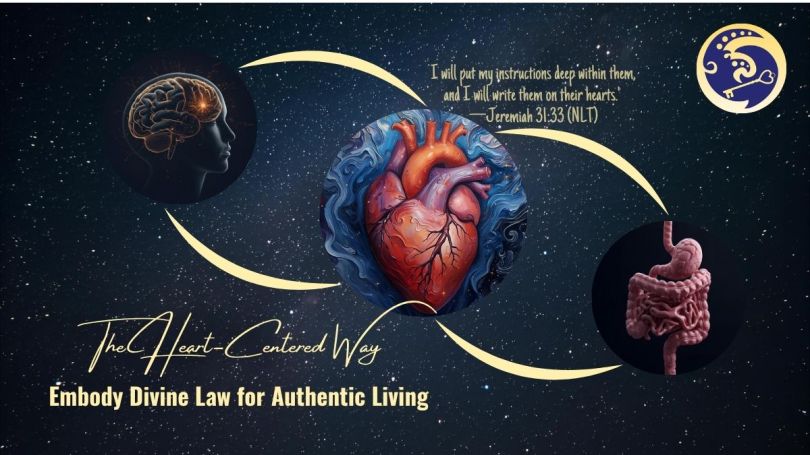






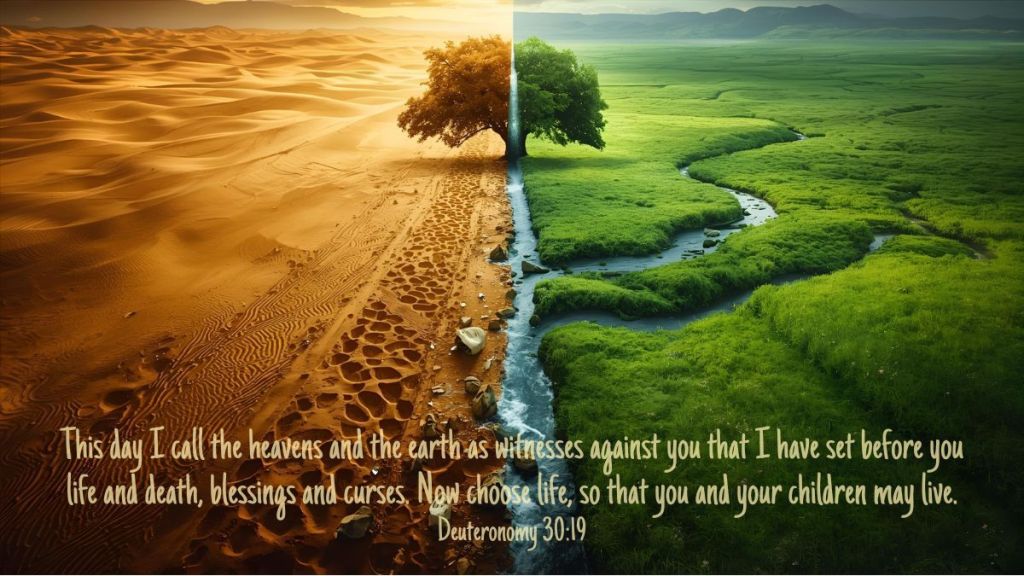
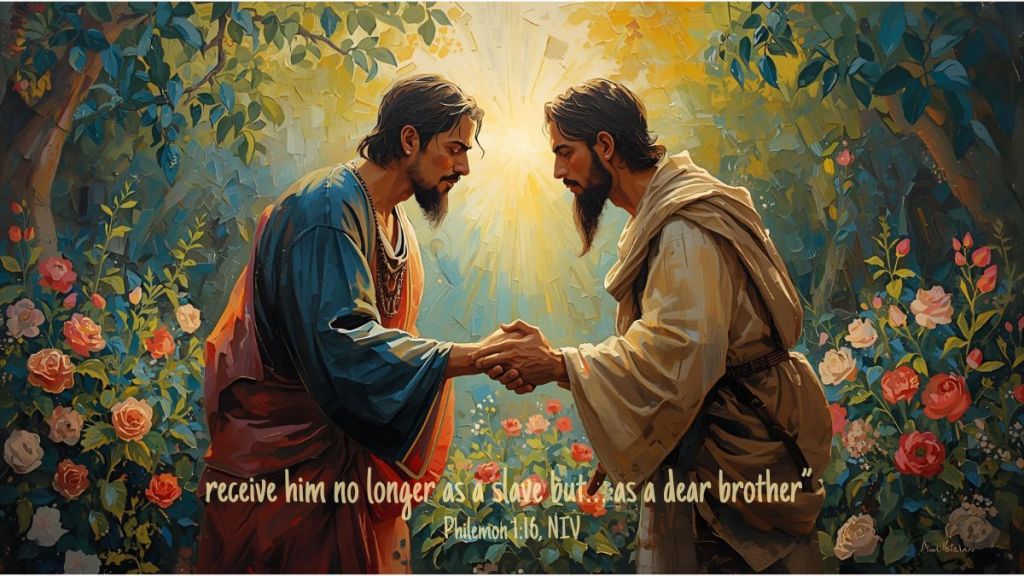

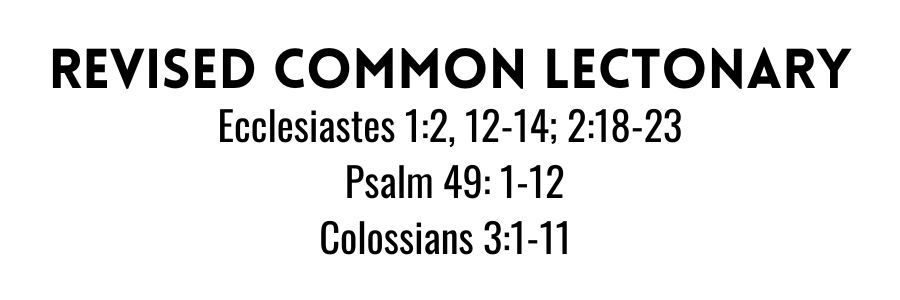



 Divine Presence: Letting the Infinite flow in my life